Store Baking Paper and Liners Around the Trays You Use
By Love Coma Cakes Editorial · Published March 1, 2026 · Updated March 1, 2026
Keep suitable baking papers identifiable and easy to retrieve without turning a drawer into a tangled roll collection.
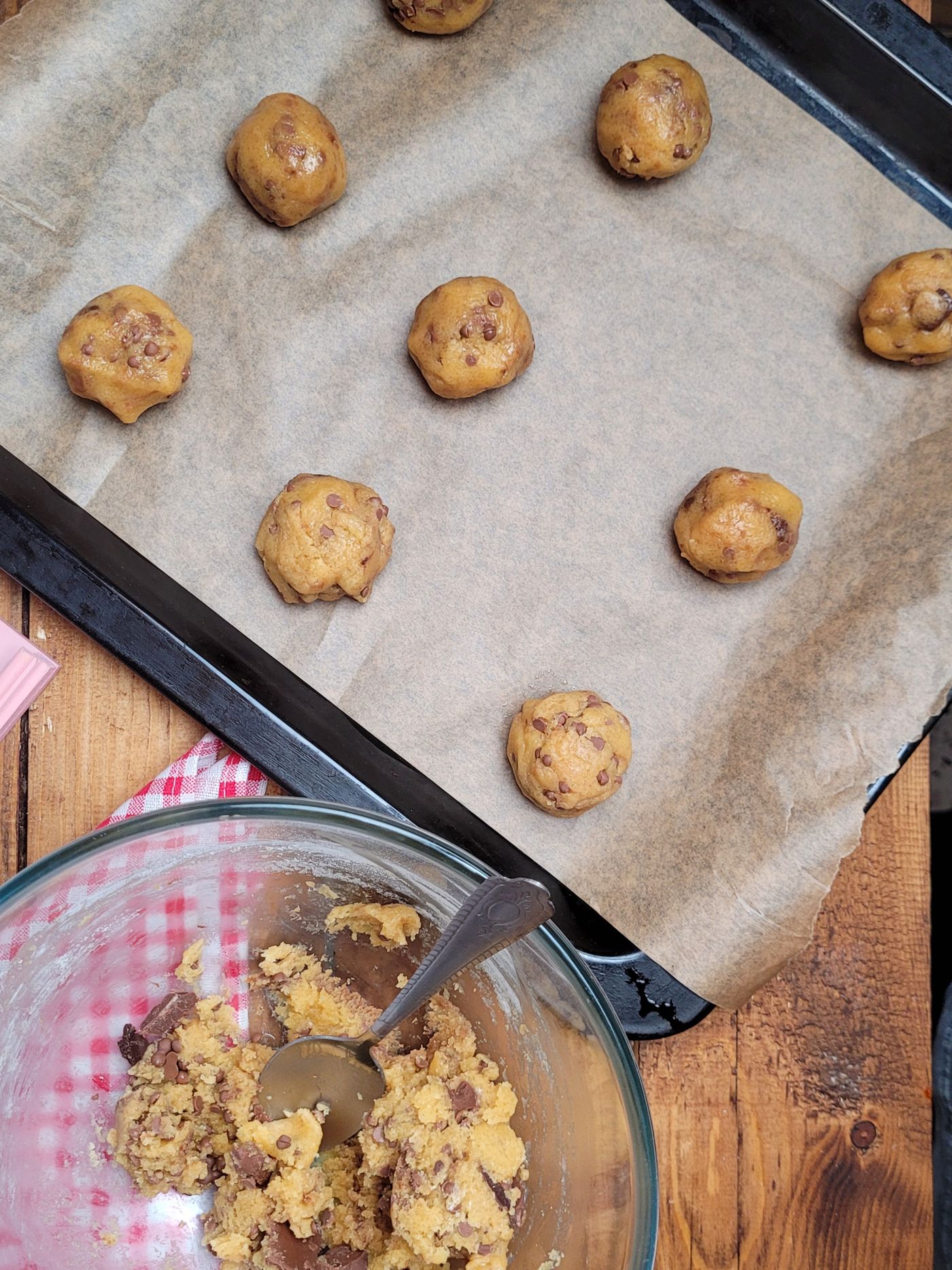
Illustrative photography. Images show editorial inspiration, rather than a product or recipe test.
Check the products before grouping them
Baking paper, liners and other kitchen sheets can look similar while having different permitted uses. Read the product labels and keep the information available. Do not assume every roll in the drawer can be used for the same oven, recipe or temperature conditions.
Separate products by their actual purpose rather than by matching packaging. The storage should make choosing correctly easier. An unlabeled decorative holder can create confusion if it removes the identity and instructions that the person baking needs.
Measure the trays and the drawer
Record the pans used regularly and compare them with the sheet or roll dimensions. Check the drawer's usable length, height and opening, including any internal obstruction. A box that fits while the drawer is empty may be difficult to retrieve once neighboring tools return.
Keep cutting edges and other features handled and stored according to product guidance and household access needs. Do not leave an opened package in a position where someone reaches across an exposed edge to find another tool.
Keep original instructions associated
Retain packaging or another clear appropriate record of the product and its permitted use. If suitable pre-cut pieces are prepared, keep them identifiable with the relevant information. Do not create a mixed stack whose contents can only be guessed from appearance.
Follow the chosen recipe and the actual product's directions when lining a pan. A convenient shape does not establish suitability for every baking task. Where the recipe needs another preparation method, use reliable recipe-specific guidance rather than automatically adding a liner.
Choose a simple retrieval arrangement
Store the active products where they can be removed without unloading the entire drawer. A suitable divider may help if its dimensions fit the packages and does not interfere with use. Test the actual opening and return before buying a specialized organizer.
Keep occasional products separate from the everyday group. Several nearly empty rolls can create more searching than a modest clearly identified supply. Check what is already available before shopping and do not buy a large replacement solely because the current package is difficult to find.
Plan the preparation surface
Choose a suitable clear area for preparing the lining as directed. Keep food and equipment handled appropriately and use tools suitable for the task. Do not balance a roll across a crowded sink or an active appliance because the drawer arrangement has made preparation awkward.
Our cake-pan guide helps connect bakeware choice with preparation and care. The paper storage supports that process but does not replace the recipe's instructions about how the actual pan should be prepared.
Follow use and disposal information
Read the product's instructions about use, reuse where permitted and disposal. Do not assume a sheet remains suitable merely because it looks clean. Follow the relevant local waste requirements where needed rather than treating every kitchen paper as the same material.
Keep used products distinct from the ready supply. A folded piece returned to the drawer without clear identity can confuse the next baker. A modest storage system should make the condition and intended purpose of each retained item understandable.
Review during an ordinary bake
Notice whether the correct product can be found, prepared and returned through its intended routine. If the drawer still tangles, identify the actual issue: too many products, unsuitable dimensions or an awkward package position. Solve that before adding another holder.
Our small-kitchen storage guide helps assess the wider drawer. The baking-cupboard guide can keep occasional supplies distinct. Good storage supports correct selection and ordinary use, not merely a photograph of matching rolls.
Paper-storage questions
Can all rolls go in one holder? Only if their identities, instructions and safe access remain clear. Similar shape does not mean interchangeable use.
Should liners be cut in advance? It can help for a known suitable product and regularly used pan, provided the pieces remain identifiable and stored appropriately.
What if the product information is missing? Identify the actual product before relying on it for a particular baking use. Do not guess from color or texture.
This story belongs to our March 2026 editorial issue. Publication and update dates follow the journal’s monthly editorial calendar. Our guidance is based on editorial research and practical planning, not an undisclosed hands-on product test.