Capture One Recipe Question During a Coffee Outing
By Love Coma Cakes Editorial · Published October 1, 2022 · Updated October 1, 2022
Capture one useful recipe question during a coffee outing, separating a promising idea from a complete baking plan so the note remains easy to resolve at home.
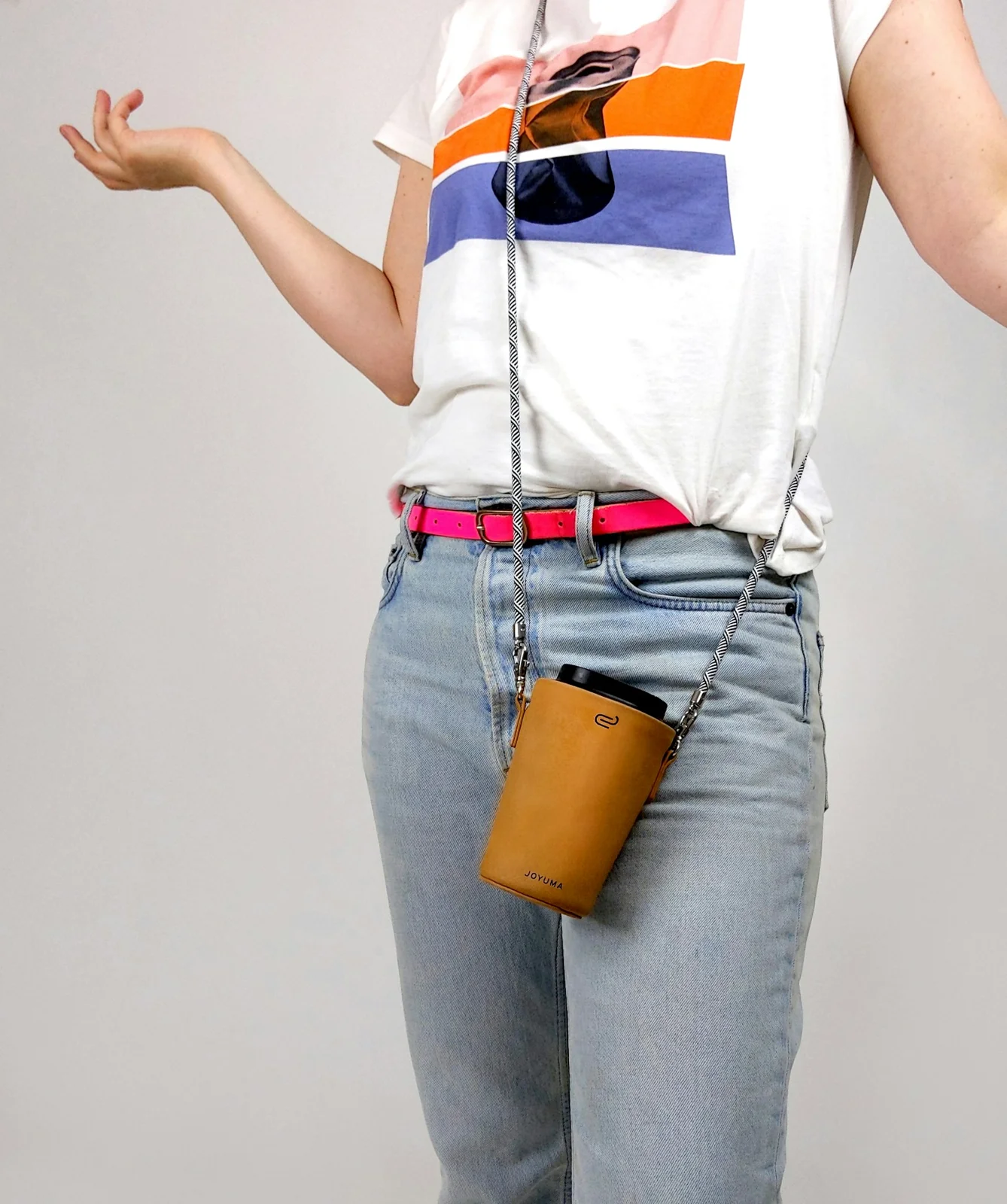
Illustrative photography. Images show editorial inspiration, rather than a product or recipe test.
Write a question rather than a recipe
A quiet coffee break can be a good moment to notice a baking idea. Perhaps you want a less elaborate finish for an existing cake, a recipe that uses a retained pan or a small bake for a particular gathering. Write that as one question rather than pretending you have already developed the method.
“Which recipe fits the round pan I own?” gives you a clear next step. “Bake something impressive” does not. A narrow question can be answered with the actual equipment and reliable recipe information when you are back in the kitchen.
Record the real source of the idea
If a menu, book or conversation prompted the thought, identify it accurately. Do not turn a glimpse of a cafe pastry into an ingredient list or copy an unfamiliar method from memory. You can keep a private inspiration note without claiming the result has been tested.
If you consult a published recipe later, save the original source and its exact title. Keep your personal question separate from the recipe's own instructions so an unresolved thought does not become an accidental modification during preparation.
Limit the note to the decision
Include the occasion, the equipment constraint and the unresolved point. For example, a modest birthday gathering and a retained pan may be enough context. You do not need to draft a shopping list before choosing a suitable recipe.
Avoid collecting several unrelated ideas in the same note. A flavour possibility, a new mixer and a serving-table arrangement are three different decisions. Keep only the question that would most clearly advance the bake you actually plan to make.
Resolve it beside the kitchen references
At home, compare the question with the actual pan, appliance information and recipe. Check dimensions, units, ingredient requirements and the full sequence before deciding that the idea works. Do not infer interchangeability from a similar-looking photograph.
If the answer requires another purchase or an unfamiliar process, decide whether that fits the occasion. A retained recipe may serve the gathering more realistically. Save the new idea for a separate trial instead of adding uncertainty to a bake with a fixed purpose.
Once the question is answered, close the note with the decision and the reliable reference you will use. Remove an abandoned option from the active list so it does not reappear as a requirement on shopping day. The useful outcome of the coffee break is one clearer baking choice, not a growing collection of half-written recipes. A small question can move a project forward while keeping the actual method grounded in the source you later choose.
A bounded note could read: small gathering, retained round pan, question about finding a recipe written for that pan. The later answer should name the selected recipe rather than merely adding another idea. This turns a loose inspiration into a closed decision that can leave the active notebook.
Related reading
Keep One Clear Recipe Version Before Making Private Notes, Choosing Your First Cake Pan.
This story belongs to our October 2022 editorial issue. Publication and update dates follow the journal’s monthly editorial calendar. Our guidance is based on editorial research and practical planning, not an undisclosed hands-on product test.