Compare a Hand Whisk With the Bowl You Use
By Love Coma Cakes Editorial · Published March 1, 2024 · Updated March 1, 2024
A hand whisk can look useful beside a mixing bowl while their actual shapes make the chosen task awkward. Identify the recipe action first. Whisking a.
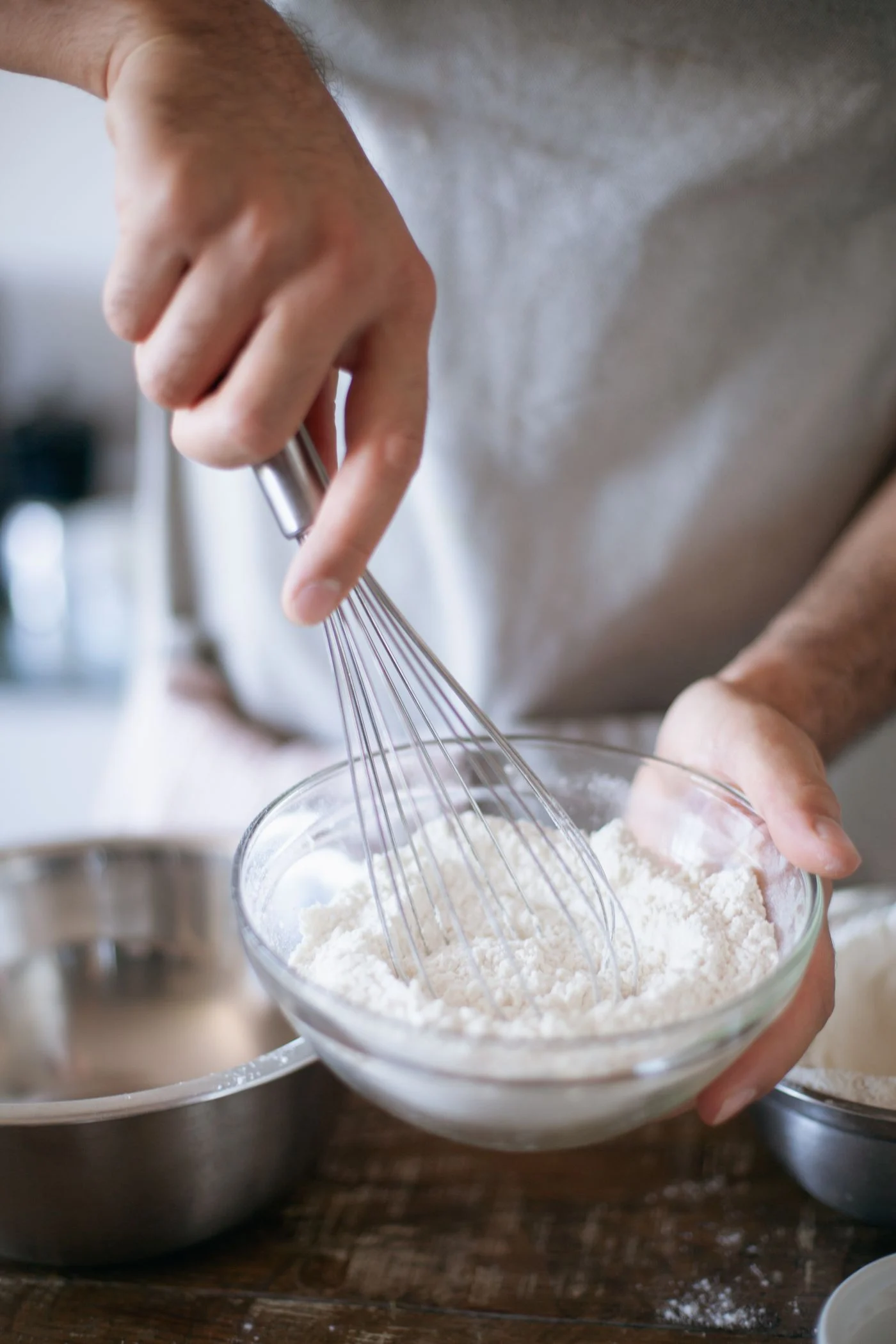
Illustrative photography. Images show editorial inspiration, rather than a product or recipe test.
Choose the actual mixing job
A hand whisk can look useful beside a mixing bowl while their actual shapes make the chosen task awkward. Identify the recipe action first. Whisking a specified mixture is a different equipment question from scraping a bowl or working a dough.
Follow the recipe and products' actual requirements. This guide does not establish a universal technique or claim that a particular whisk replaces powered equipment. Keep the intended action more important than an attractive matching utensil collection.
Compare the complete shapes
Look at the actual whisk head, handle and bowl opening. Include the space needed for appropriate handling rather than comparing only the tools' overall lengths. A narrow neck or deep bowl can change the practical relationship.
Use actual product information where material or compatibility matters. Do not assume a flexible-looking head is suitable for every finished surface. A familiar bowl category cannot establish that an unfamiliar tool belongs in it.
Consider the quantity the recipe specifies
Choose suitable equipment for the actual recipe quantity and method. A large bowl and oversized whisk may be inconvenient for a modest mixture, while another task may need different dimensions. Avoid inventing a universal minimum or maximum from a product photograph.
Our spatula guide considers another bowl relationship. The useful distinction is the actual action required. One appropriate tool may serve its task well without becoming the answer to every stage of mixing and scraping.
Read construction and care details
Check the whisk's actual material, joins and care guidance along with the bowl's requirements. Consider whether the household can appropriately maintain the finished product. A decorative handle or intricate connection may create different cleaning questions from a simpler design.
Keep ready equipment distinct from items awaiting attention. Do not return an uncertain or damaged tool to the active set merely because its matching place in the drawer looks empty. Resolve condition questions through appropriate product information or support.
Measure the return position
Check the complete stored tool against the drawer or holder and keep retrieval manageable. A broad whisk head can catch among unrelated utensils even when its length fits. Choose a suitable group rather than adding another countertop pot automatically.
Our baking cupboard guide supports a clear active collection. The mixer guide considers a separate equipment purchase. A good hand-whisk choice starts with a defined job and ends with suitable care and storage, without invented performance tests.
Hand whisk questions
Can one whisk suit every bowl? Compare actual shape, material and product requirements rather than assuming universal compatibility.
Is a larger whisk always better? Choose for the real recipe quantity and method.
What if the whisk catches in the drawer? Review the stored shape and suitable grouping before buying another utensil holder.
This story belongs to our March 2024 editorial issue. Publication and update dates follow the journal’s monthly editorial calendar. Our guidance is based on editorial research and practical planning, not an undisclosed hands-on product test.