Reserve Suitable Space for the Bread Recipe’s Later Stages
By Love Coma Cakes Editorial · Published October 1, 2024 · Updated October 1, 2024
A bread recipe can be planned around its bowl and working surface while the kitchen has no suitable space for the later stages. Read the whole actual method.
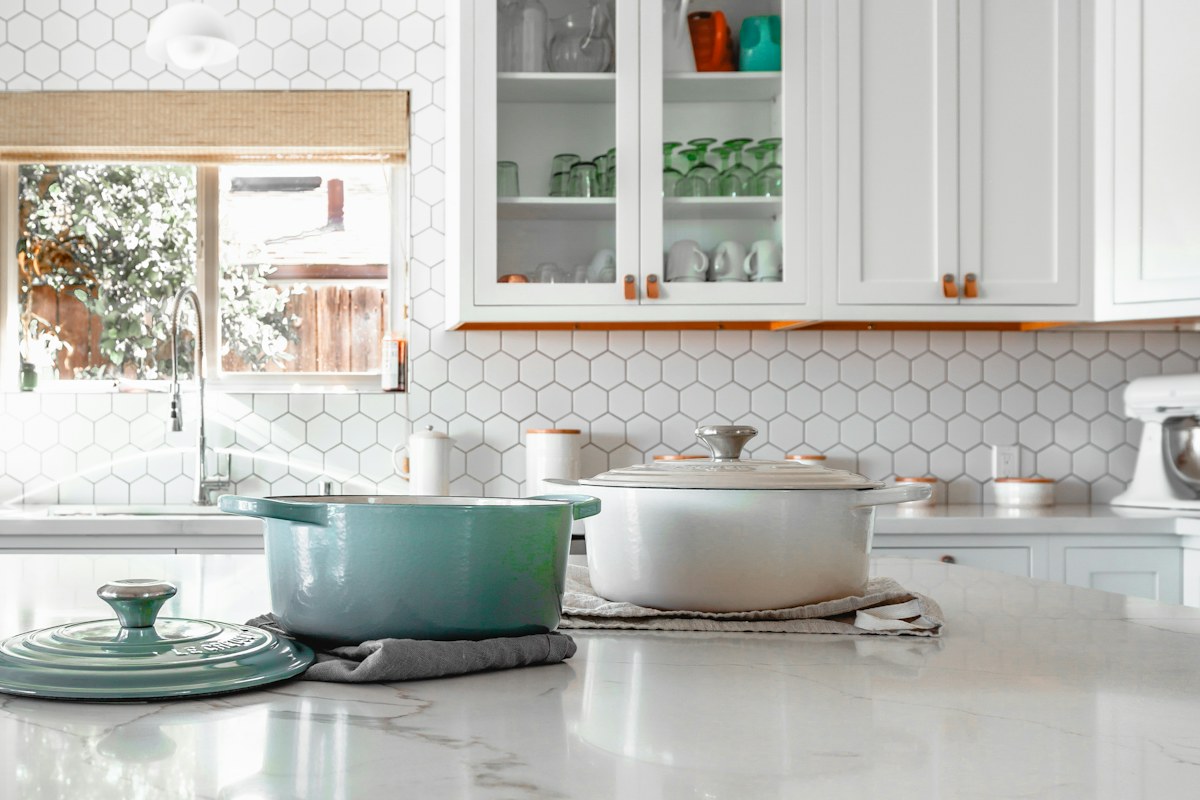
Illustrative photography. Images show editorial inspiration, rather than a product or recipe test.
Read beyond the mixing stage
A bread recipe can be planned around its bowl and working surface while the kitchen has no suitable space for the later stages. Read the whole actual method before setting out equipment. Identify the receiving, resting, cooking and cooling requirements that apply to that recipe.
This is a household space plan, not a universal bread technique or a claim about timing. Follow appropriate reliable recipe guidance and the specific products used. Different methods may need different arrangements.
Name each required surface
Choose suitable positions for the actual equipment at the relevant stages. Include complete dimensions and permitted handling, not just the main container's base. A counter corner can appear spare before another meal or washing-up task begins.
Keep appliance requirements and necessary kitchen access clear. The planned surface should remain appropriate when the real equipment and people are present. A temporary decorative object may need another suitable position rather than competing with the recipe's required stage.
Check support through product guidance
Read the actual tray, rack, board or other equipment information where relevant. Confirm intended use and suitable surface contact. Similar-looking objects do not establish identical support or material requirements.
Our first bread workspace guide considers the starting area. This later-stage check completes that plan. A clear mixing position cannot compensate for missing appropriate equipment further through the recipe.
Keep the stage identities clear
Distinguish equipment and food still completing a required process from ready serving or storage. Follow the actual method rather than deciding readiness from a tidy appearance or the wish to clear the kitchen quickly.
Our tray landing guide offers a related space question for another bake. Keep recipe differences explicit. The bread's actual instructions should determine the route rather than a remembered cookie workflow.
Return equipment appropriately
Complete the products' required care before storing ready pieces. Measure the permitted stored forms and cupboard access. A large rack may provide useful working space while becoming inconvenient between sessions, so compare both stages before purchasing.
Our cupboard guide supports the reserve. Note one actual missing surface or equipment role after the task. A complete bread-space plan can use suitable retained pieces rather than require a separate specialist accessory for every stage.
Write a short list naming each suitable destination and the equipment associated with it. This can reveal two stages competing for the same small surface.
Bread stage questions
Does a clear mixing counter mean the kitchen is ready? Check the recipe's actual later-stage space and equipment too.
Can any board or rack be used? Follow the specific products and relevant method requirements.
What if later space conflicts with dinner? Reassess the real sequence and appropriate positions before beginning rather than improvising halfway through.
This story belongs to our October 2024 editorial issue. Publication and update dates follow the journal’s monthly editorial calendar. Our guidance is based on editorial research and practical planning, not an undisclosed hands-on product test.