Choose the Workspace Before Your First Bread Recipe
By Love Coma Cakes Editorial · Published February 1, 2026 · Updated February 1, 2026
Match a beginner bread project to its equipment, waiting stages and suitable working surface.
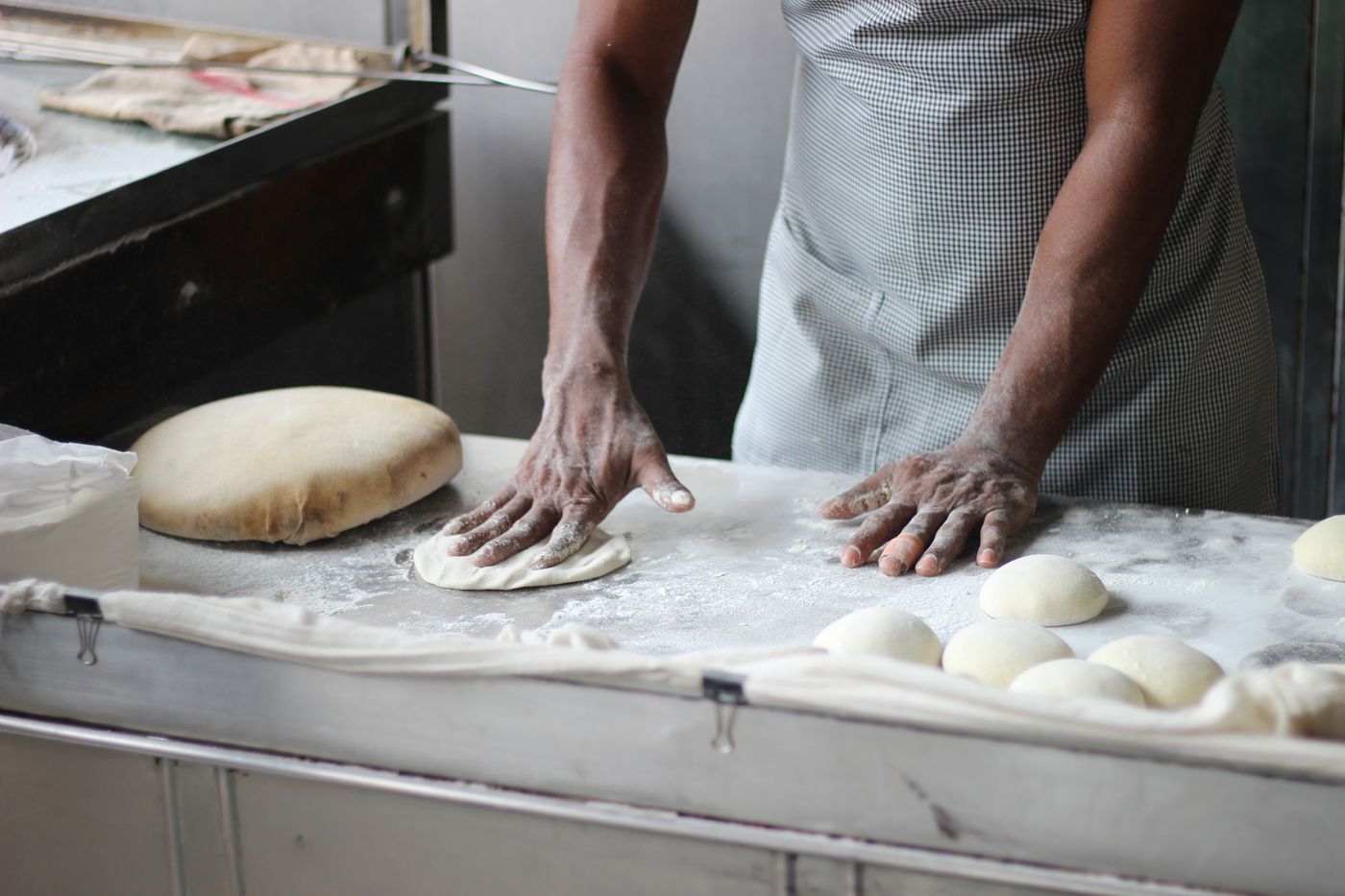
Illustrative photography. Images show editorial inspiration, rather than a product or recipe test.
Choose one complete reliable recipe
A first bread project is easier to plan when one complete recipe provides the ingredients, method and equipment requirements. Read it before buying supplies and keep that version available during the session. Do not combine several different methods because each includes one appealing tip.
This guide addresses the workspace and schedule rather than prescribing a bread formula. Different recipes need different handling, timing and equipment. Use reliable recipe-specific guidance for those technical stages and choose a project that fits the kitchen and attention available.
Check the equipment list
Identify the tools and pans the recipe actually requires and compare them with suitable equipment already owned. Follow product and appliance instructions. A bowl, pan or covered vessel that looks similar to the recipe photograph is not automatically an appropriate substitute.
Check the recipe quantity against the relevant equipment's limits where applicable. If a mixer is used, follow its stated uses and compatible attachments. Do not assume every appliance can handle a particular dough because it has mixed cake batter successfully.
Prepare an appropriate surface
Choose a stable food-preparation surface suitable for the recipe's handling method and follow its care requirements. Clear unrelated objects and keep relevant ingredients identifiable. Do not assume a decorative tabletop can support every preparation method without suitable information.
Leave enough room for the bowl, tools and the work itself. A small kitchen can still support an appropriate recipe, but the layout needs to be planned before ingredients are opened. Keep the washing-up position and essential routes available.
Include the waiting stages
Read the recipe's stated resting or other waiting stages and understand the conditions it requires. Do not schedule the session as though active mixing and baking are the only parts. A household meal or another use of the kitchen may need to happen while the project is still in progress.
Choose suitable positions for the equipment throughout those stages, following the recipe and product guidance. Do not improvise a location near heat or other equipment merely because it is temporarily empty. The whole process needs a practical home.
Plan oven access and hot equipment
Read the oven and bakeware instructions and prepare a stable suitable landing place with appropriate heat protection. Keep the route clear and manage household access and supervision around hot equipment. A first project should not depend on finding a counter gap at the last moment.
Follow the recipe's handling and cooling guidance after baking. Keep finished food separate from raw ingredients and used equipment as appropriate. The space plan should continue beyond the moment the oven timer ends.
Avoid extra techniques in the first session
Keep optional decorative or specialist steps out of the plan unless they are part of the chosen recipe and can be handled appropriately. A first session can provide useful information about the workflow without becoming a test of every bread-making tool.
Our bakeware guide offers general questions about dimensions and care, although bread recipes may need different equipment. The baking-cupboard guide helps keep the collection proportionate to projects actually made.
Write a practical session note
Record the recipe version, equipment and any specific question to investigate. Describe what happened rather than declaring a universal rule from one result. Reliable recipe-specific troubleshooting can then address a clear observation.
Clean and store equipment according to its instructions and restore the kitchen for its next job. Keep purchases for later until a repeated need is identified. A suitable working surface, clear sequence and complete reference can be more useful than a large beginner kit chosen before the first project.
First-project questions
Do I need a stand mixer? Follow the chosen recipe's equipment guidance and the appliance's permitted use. Some recipes use another method; do not assume one machine is required for all bread.
Can the timing be shortened? Use the recipe's reliable guidance rather than skipping a stage because the day is busy. Choose a different project when the schedule does not fit.
What if the workspace is too small? Reduce the project through verified recipe guidance or choose another suitable recipe. Do not force equipment and ingredients into an unsafe or unusable arrangement.
This story belongs to our February 2026 editorial issue. Publication and update dates follow the journal’s monthly editorial calendar. Our guidance is based on editorial research and practical planning, not an undisclosed hands-on product test.