Give the Sideboard One Clear Breakfast Role
By Love Coma Cakes Editorial · Published September 1, 2023 · Updated September 1, 2023
Give the Sideboard One Clear Breakfast Role. A practical guide for an ordinary home kitchen and shared meals.
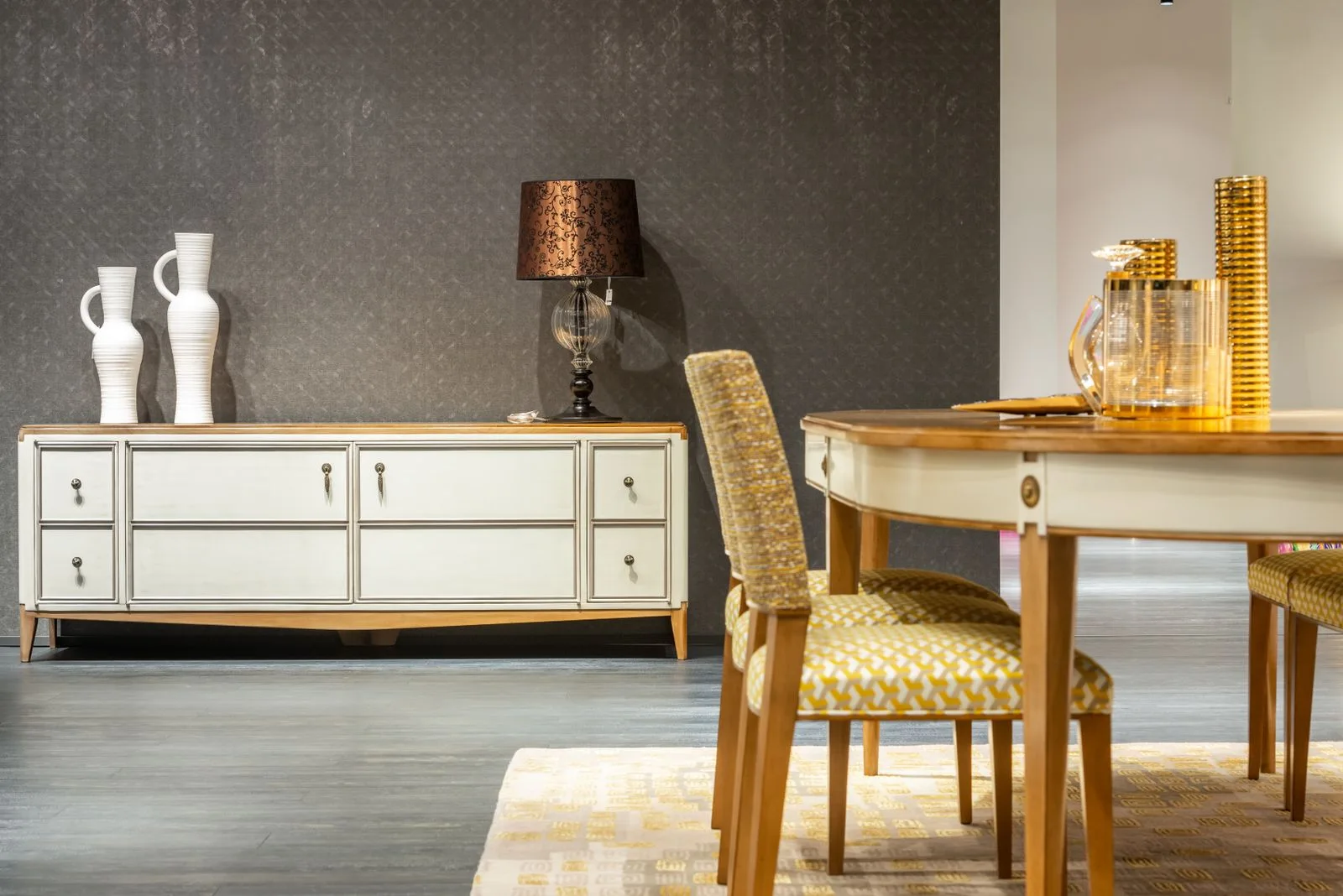
Illustrative photography. Images show editorial inspiration, rather than a product or recipe test.
Choose one useful job for the sideboard
A sideboard can become a breakfast overflow area without anyone deciding what it is meant to hold. Choose one clear role for the actual meal: ready tableware, a suitable serving group or the objects waiting to return to the kitchen. Several unrelated roles can make the surface feel crowded before breakfast begins.
Follow the furniture's use and care requirements. A surface beside the dining table is not automatically appropriate for hot cookware, food preparation or every serving appliance. The role should fit the actual product and conditions, rather than a decorative arrangement copied from a photograph.
Keep the active group separate from the display
Remove or relocate appropriate decorative objects if they occupy the space needed for the chosen breakfast task. Give them a suitable destination rather than piling them onto another chair. A permanent display and an occasional serving group can coexist when each has a clear boundary.
Our everyday guest table guide keeps the overall setting proportionate. The sideboard should support that modest meal rather than encourage several additional dishes just because another surface is available.
Compare access while people are seated
Imagine the breakfast table occupied and check the route to the sideboard. Include cupboard doors and drawers that may need opening. A convenient surface before the meal can become inaccessible once a chair is pulled back or someone places a bag beside it.
Keep the actual household's movements in view. If reaching the sideboard requires passing a seated person repeatedly, choose a role needed only at a specific stage or use another suitable arrangement. Proximity on a floor plan is not the same as practical access during breakfast.
Make the handover explicit
If the sideboard holds ready tableware, keep used items distinct through the appropriate care route. If it serves another breakfast role, tell helpers what belongs there and what does not. Clear wording prevents a useful surface from becoming an anonymous collection point.
The coffee and pastry handover separates two tasks. A sideboard can support one of those tasks effectively when its purpose is understood, rather than trying to hold every stage of the meal at once.
Return the furniture to its ordinary use
After breakfast, move the active equipment through its suitable care and storage destinations. Restore any decorative group only when the surface is ready under the furniture's requirements. Notice whether the chosen role reduced work or simply moved the breakfast clutter farther from the kitchen.
What if the sideboard is rarely used? Leave it in its ordinary role instead of creating a serving station by habit. What if it always becomes crowded? Reduce the active group and clarify its purpose. The useful arrangement is one that makes a specific breakfast step easier without generating another surface to sort afterward.
This story belongs to our September 2023 editorial issue. Publication and update dates follow the journal’s monthly editorial calendar. Our guidance is based on editorial research and practical planning, not an undisclosed hands-on product test.