Mark Divided Ingredients Before You Start Mixing
By Love Coma Cakes Editorial · Published January 12, 2026 · Updated January 12, 2026
Keep separate recipe quantities identifiable so the same ingredient is not added at the wrong stage.
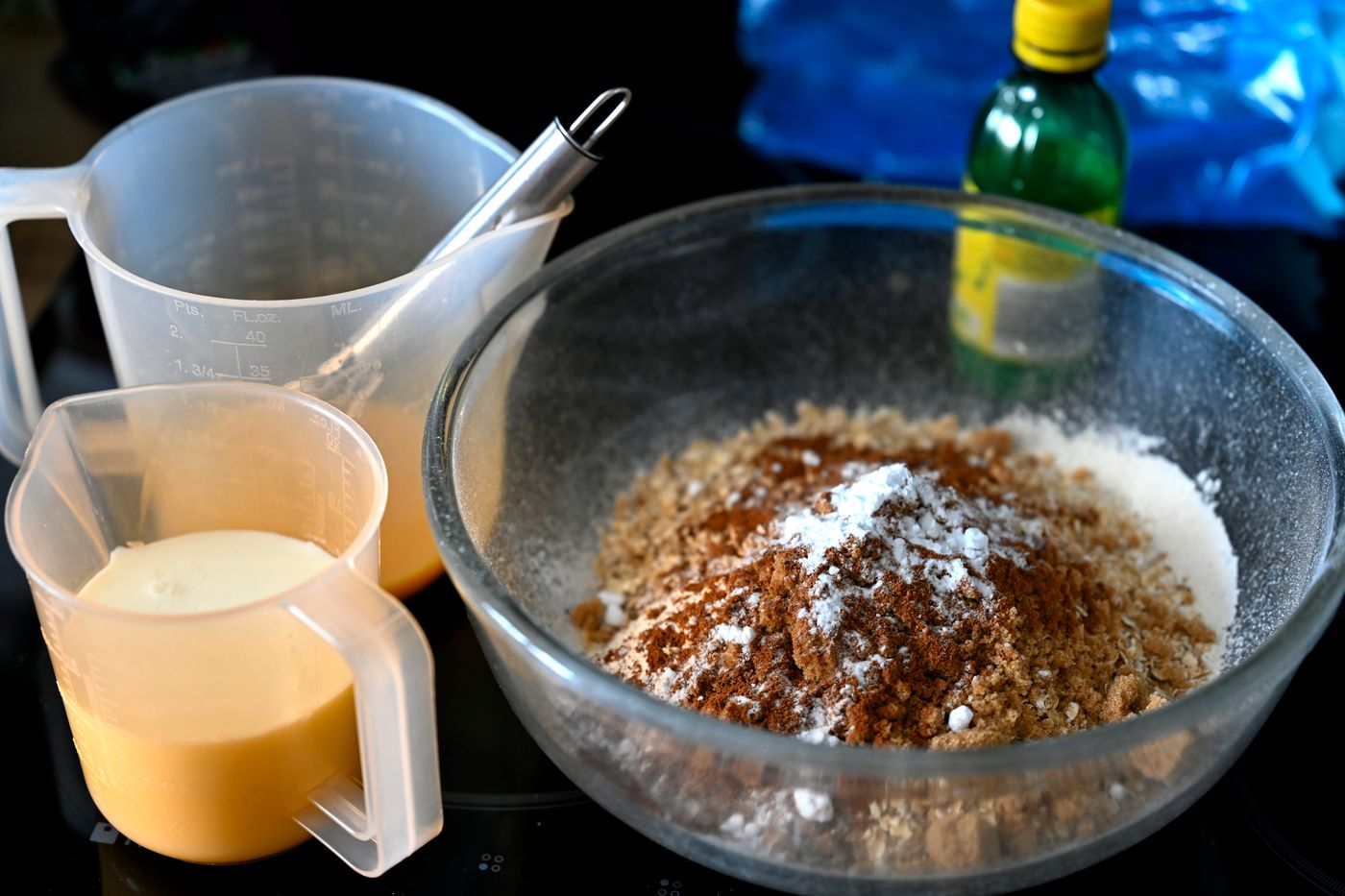
Illustrative photography. Images show editorial inspiration, rather than a product or recipe test.
Notice the small word that changes the sequence
An ingredient list may include one total quantity that is divided between several stages. If the whole amount is measured into the first bowl without reading ahead, the recipe can become difficult to correct. Before beginning, read the method alongside the ingredient list and identify every divided amount.
Keep one complete recipe version available. Several screenshots or open pages can make it unclear which quantity belongs to which method. The practical goal is a readable sequence that survives an ordinary interruption, not a complicated system for every teaspoon.
Write the stages beside the quantity
On a private recipe copy or separate note, record which portion goes into each stage using the recipe's actual measurements. Check any arithmetic carefully and preserve the stated units. Do not replace a recipe-specific instruction with an assumed standard conversion.
Keep the note clear enough for another helper to understand. First portion and later portion may be useful only if the relevant steps are also identified. A brief phrase such as for the topping can make the distinction visible without copying the whole recipe into another format.
Choose suitable separate containers
Where measuring ahead is useful, use food-contact containers appropriate for the ingredients and task. Keep similar-looking quantities clearly distinguished. A label or a simple ordered position can help, provided it does not obscure other necessary information.
Do not combine ingredients prematurely merely to reduce the number of bowls. Follow the chosen recipe's sequence. Our baking-cupboard guide helps keep suitable equipment available, but the recipe determines which ingredients need to remain separate.
Keep original information available
Retain packaging where it provides ingredient, storage or preparation details that matter. Follow relevant food-handling guidance and keep identities clear, especially where dietary requirements are involved. An unlabeled bowl does not communicate everything a helper or guest may need to know.
If the recipe is being adapted, use reliable recipe-specific guidance and record the actual change. Do not let a divided-quantity note become an invitation to alter several ingredients by guesswork. A clear record can prevent confusion but cannot guarantee the success of an unsupported substitution.
Mark completion, not intention
Check off a portion only after it has been added as directed. Move its empty staging container out of the active sequence so the visual arrangement agrees with the note. Avoid marks that could mean either measured or already mixed.
If interrupted, leave the next action clearly written where the recipe is followed. A helper should not have to infer whether a bowl is full because it belongs to a later stage or because the first addition was forgotten. The written and physical sequence should tell the same story.
Investigate uncertainty before continuing
If nobody knows whether a quantity was added, pause and assess the available evidence and reliable recipe guidance. Do not try to balance an unknown amount by increasing several other ingredients. The appropriate decision depends on the recipe and stage reached.
Keep the response proportionate and honest. A recipe may need to be restarted or replaced with another plan. That can be more sensible than presenting an improvised correction as certain because time or ingredients have already been invested.
Save the clarified copy
After the session, keep useful private notes and remove temporary completion marks before using the recipe again. Label the recipe version clearly if it differs from another saved copy. A readable current reference is more useful than several nearly identical pages with conflicting annotations.
Our scale guide supports the measuring equipment decision. The kitchen reset helps preserve the working area so the next recipe starts without yesterday's staging bowls and notes competing for space.
Divided-ingredient questions
Does every ingredient need a separate bowl? No. Separate the quantities where the recipe sequence and clarity justify it. Suitable ingredients combined at the same stage may not require individual containers.
Can I mark the recipe on a phone? Use a method that remains readable and appropriate around food and equipment. The important point is clear current progress.
What if a recipe’s divided wording is unclear? Seek clarification from the original recipe source before beginning rather than choosing a convenient interpretation midway through mixing.
This story belongs to our January 2026 editorial issue. Publication and update dates follow the journal’s monthly editorial calendar. Our guidance is based on editorial research and practical planning, not an undisclosed hands-on product test.