Share a Family Baking Session Through Clear Handovers
By Love Coma Cakes Editorial · Published February 12, 2026 · Updated February 12, 2026
Choose suitable tasks and supervision while one person keeps the recipe sequence clear.
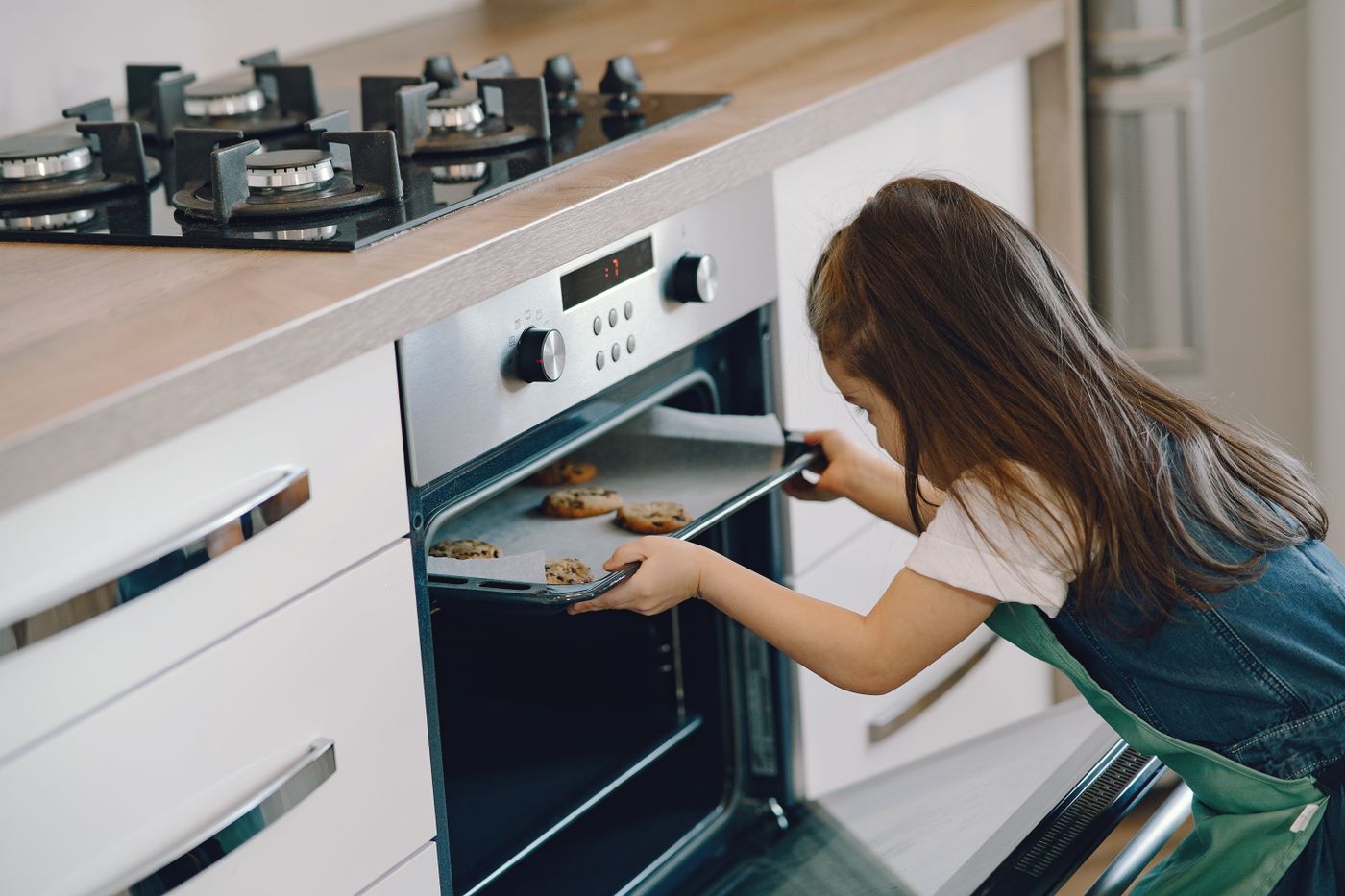
Illustrative photography. Images show editorial inspiration, rather than a product or recipe test.
Choose a session that fits the helpers
A family baking session works better when the recipe and tasks suit the people taking part. Read the recipe, equipment instructions and relevant age and safety information before assigning jobs. The responsible adult should manage supervision and anything beyond another participant's abilities.
Keep the goal modest: one suitable bake with a clear process. Participation does not require every person to handle every stage. A simple shared project can feel more relaxed than an ambitious design that leaves the adult correcting several unclear tasks at once.
Give one person the recipe sequence
Choose the responsible person who checks what has been measured, added and completed. Other helpers can take suitable specific jobs, but they should not independently change the same mixture. Keep the current recipe visible and identify any divided quantities before beginning.
Use clear handovers such as the measured ingredient is ready for this step. Avoid vague requests to help with the bowl while several tools and quantities are involved. A readable sequence can support enthusiasm without making the counter crowded and uncertain.
Prepare suitable individual tasks
Choose jobs appropriate to each participant and the actual materials. An adult should handle equipment or ingredients requiring their control and provide the necessary supervision. Do not assume that a familiar task is suitable for every child or that age alone describes individual needs.
Keep the active collection of tools small. Suitable preparation away from the mixing area may be more useful than several people reaching into the same bowl. The workspace should allow the responsible adult to understand what is happening at each stage.
Keep food handling clear
Use appropriate cleaning, separation and handling for the ingredients and process. Keep raw ingredients distinct from ready-to-eat food where required and retain relevant packaging information. Follow the FDA's food-handling guidance rather than treating a shared activity as exempt from ordinary requirements.
Explain suitable simple boundaries as needed, with the adult responsible for the plan. A helper should not have to guess which utensil was used earlier or whether a decoration is ready for serving.
Protect the hot-equipment stage
Follow appliance and bakeware instructions and keep household access managed appropriately. Prepare a suitable landing position for hot equipment before use. Children and other helpers should have tasks and supervision suited to this stage rather than gathering around an active oven to remain involved.
Keep the recipe's required waiting and cooling stages in the schedule. Use suitable pauses for cleanup or another activity. Do not rush a technical stage merely because the helpers have finished their earlier tasks.
Plan the serving role
Choose the serving plate, tools and intended time before the bake is finished. Follow recipe and ingredient storage requirements. Keep ingredient information available for people who need it and avoid unsupported assurances about dietary suitability.
Our birthday baking guide can support a celebration plan. For an ordinary afternoon, the small-batch guide helps keep the project modest. The gathering can have a clear ending without turning every bake into an event.
Share the return tasks too
Clean and store equipment according to its care information and restore the working surface appropriately. Choose suitable participation in cleanup, with the adult handling tasks that require their judgment. Avoid making the last stage automatically belong to the person who read the recipe.
Keep one useful note about the task division for next time. If a stage became crowded, change that handover before buying another set of bowls. A clear sequence is often more useful than giving every helper identical equipment.
Family-session questions
Does every helper need a separate station? Not necessarily. Suitable tasks can happen in sequence, with clear adult supervision and handovers.
Should children use the oven to feel included? The responsible adult must follow the equipment guidance and choose tasks and supervision appropriate to the child. Inclusion does not require every person to perform every stage.
What if attention runs out? Keep the adult's plan suitable and allow helpers to stop participating appropriately. The recipe and care tasks still need a clear responsible handover.
This story belongs to our February 2026 editorial issue. Publication and update dates follow the journal’s monthly editorial calendar. Our guidance is based on editorial research and practical planning, not an undisclosed hands-on product test.