Read a Recipe Yield Together Before Choosing the Batch
By Love Coma Cakes Editorial · Published November 12, 2022 · Updated November 12, 2022
Read a recipe yield together before choosing the batch, distinguishing slices, portions and equipment so a family baking plan begins with the same clear expectation.
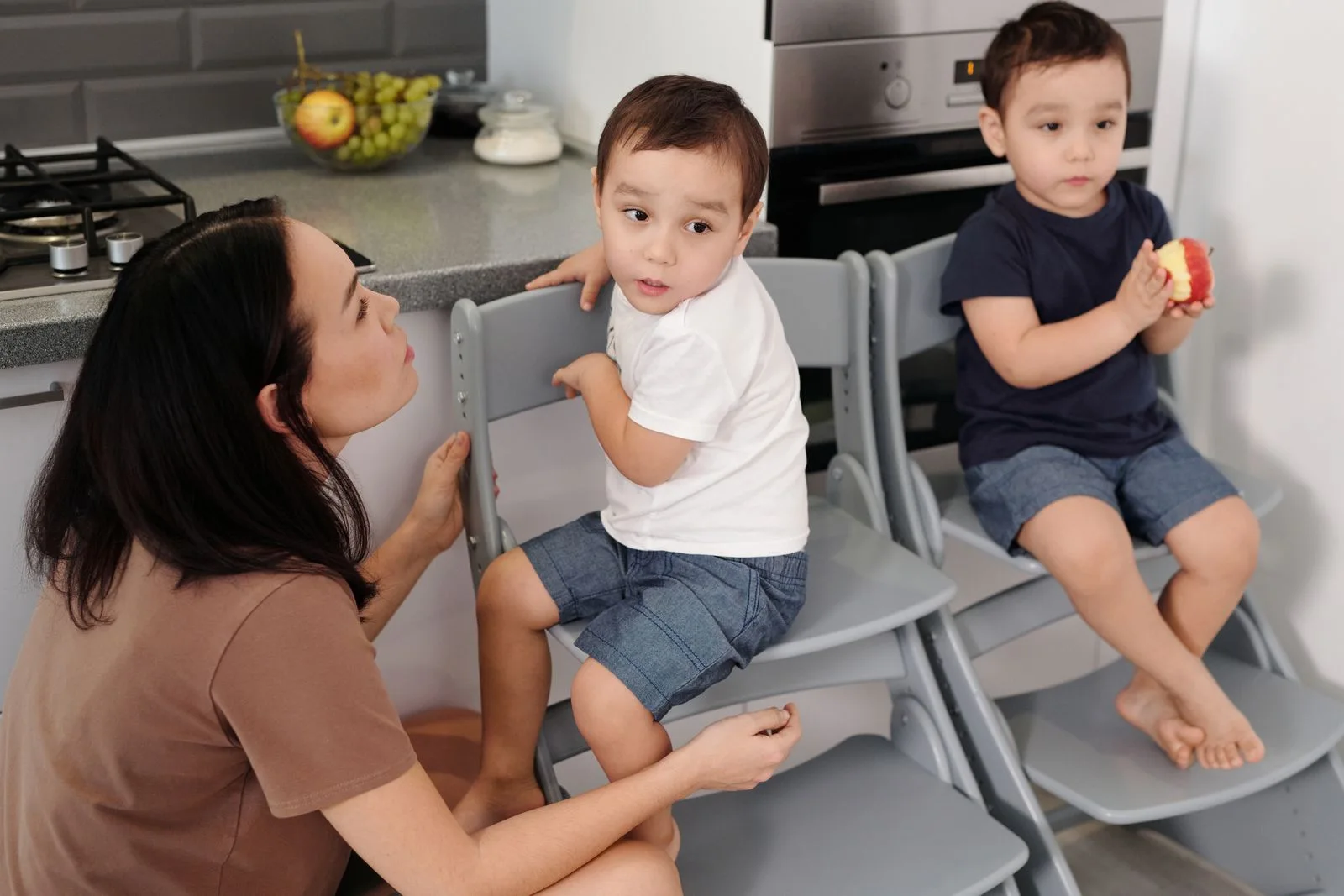
Illustrative photography. Images show editorial inspiration, rather than a product or recipe test.
Find what the recipe actually yields
A recipe's yield may describe one cake, a number of biscuits or a stated number of portions. Read the exact wording before deciding that it feeds the group you have in mind. A cake divided into small tasting pieces serves a different role from the same cake offered as a substantial dessert.
Keep the original recipe visible during the discussion. Do not replace its yield with a remembered number from another version. The group needs one shared reference before anyone begins choosing a pan, opening ingredients or planning a serving arrangement.
Agree the purpose of the bake
Name the occasion and how the food will be offered. A small family afternoon, a birthday dessert and a contribution to a larger shared table can call for different amounts without changing the recipe itself. Confirm the actual attendance and relevant food questions rather than guessing.
If several people are baking together, let one person read the yield and another repeat what it means for the plan. This is a simple way to catch an assumption such as treating “one loaf” as a fixed number of servings regardless of how it will be used.
Keep equipment and batch decisions linked
Read the pan dimensions, appliance requirements and full method alongside the yield. A recipe written for one pan is not automatically suitable for a larger or smaller one because the ingredient amounts seem easy to change.
If you need a different quantity, choose a reliable recipe or specific guidance that supports that quantity and equipment. Avoid improvised scaling as a substitute for understanding the method. A known recipe in its intended batch may be more useful than an ambitious change for a fixed occasion.
Record the final choice clearly
Write the chosen recipe identity, stated yield and actual serving purpose together. If the group chooses two separate bakes, identify each one rather than calling the whole plan a double batch when the methods differ. Keep private serving notes separate from the source instructions.
Give ingredient preparation a clear starting signal only once the recipe and batch are settled. Otherwise someone may begin weighing for the first idea while another person is still planning a different quantity. Shared understanding prevents that avoidable mismatch.
After the event, record how the serving plan worked without turning one experience into a universal yield claim. You might note that the stated batch suited that particular gathering, or that you preferred smaller pieces alongside other desserts. Keep the recipe's own yield unchanged unless you have a reliable reason to amend your private record. A clear count at the start lets the family focus on the bake rather than discovering halfway through that everyone imagined a different result.
Ask one person to read the yield aloud while another points to the specified pan. If the discussion concerns a different pan, pause ingredient preparation and resolve that mismatch first. The group should not have one person weighing for the printed recipe and another preparing equipment for an assumed larger batch.
Related reading
Share a Family Baking Session Through Clear Handovers, Read Recipe Units Before Choosing Measurement Equipment.
This story belongs to our November 2022 editorial issue. Publication and update dates follow the journal’s monthly editorial calendar. Our guidance is based on editorial research and practical planning, not an undisclosed hands-on product test.