Choose the Cooking Pan Before Preparing the Ingredients
By Love Coma Cakes Editorial · Published May 20, 2023 · Updated May 20, 2023
Choose the Cooking Pan Before Preparing the Ingredients. A practical guide for an ordinary home kitchen and shared meals.
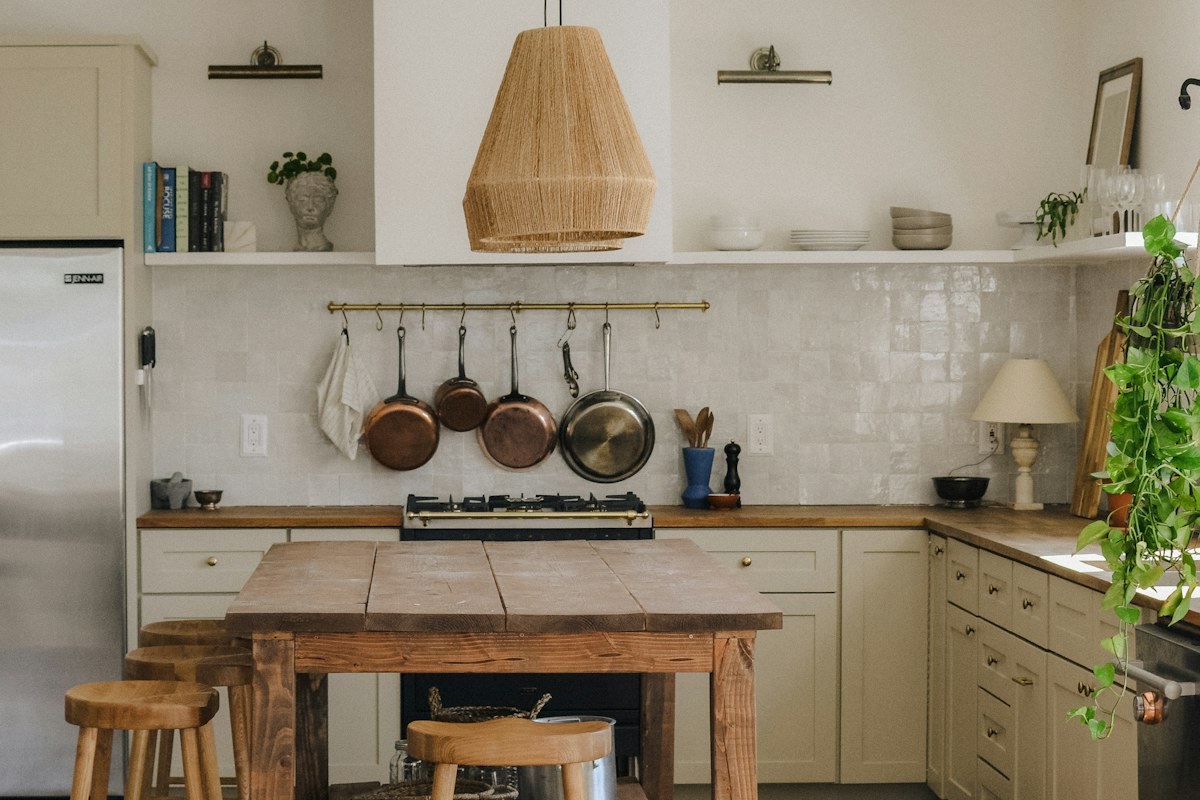
Illustrative photography. Images show editorial inspiration, rather than a product or recipe test.
Read the equipment requirement before chopping
A row of hanging pans can make choosing cookware seem obvious: take the nearest one and begin. A better starting point is the actual recipe. Read the method and the specified equipment before preparing ingredients, especially when pan shape, capacity or appliance compatibility matters to the dish.
Follow the recipe, cookware and appliance instructions together. This guide does not claim that any skillet can replace any other vessel or that a photograph establishes suitable cooking equipment. The first decision is whether the retained pan meets the real method's requirements.
Check the whole cooking sequence
Look beyond the first stage. The recipe may involve adding another ingredient group, moving the vessel or transferring the food later. Choose a pan that supports the complete stated method rather than only the initial quantity. Clarify uncertainty through the recipe source before ingredients are committed.
Our skillet and lid storage guide connects cookware with the cooking route. Retrieving the right piece deliberately can prevent a later scramble for a lid or another vessel that the method needed from the start.
Inspect the actual product information
Keep the pan's identity and relevant instructions accessible. Similar-looking cookware may have different requirements for heat sources, utensils, care or handling. Do not rely solely on appearance or a remembered claim about the material.
The appliance instruction record describes keeping information with the correct model. The same principle helps with cookware: a general statement about pans should not replace the instructions belonging to the actual item in the kitchen.
Prepare the surrounding workspace
Once the suitable vessel is chosen, identify the appropriate position for its later stages and the utensils the recipe requires. Keep the route and any necessary appliance clearances available. Avoid using an unsuitable decorative surface as an emergency landing place because the destination was not considered.
If another person is helping, tell them which pan has been selected and why it belongs to this method. Clear equipment identity can be more useful than a vague instruction to get the usual one, particularly in a kitchen with several similar pieces.
Use the observation before buying more cookware
If the required pan is unavailable, decide whether another verified recipe or suitable meal is a better choice for the equipment owned. Do not improvise a substitution that conflicts with the method or product requirements merely to preserve the original plan.
What if the same equipment gap keeps returning? Record the recipes that genuinely need it before considering a purchase. What if a rarely used pan occupies the best hook? Reconsider the storage priority. A useful cookware collection begins with real cooking tasks, not the number of pieces needed to fill a decorative wall display in a photograph.
This story belongs to our May 2023 editorial issue. Publication and update dates follow the journal’s monthly editorial calendar. Our guidance is based on editorial research and practical planning, not an undisclosed hands-on product test.