An Easy Afternoon Tea for Four
By Love Coma Cakes Editorial · June 5, 2026 journal issue · Published October 10, 2026
Serve a relaxed afternoon tea with sensible quantities, a short preparation list and tableware you already own.
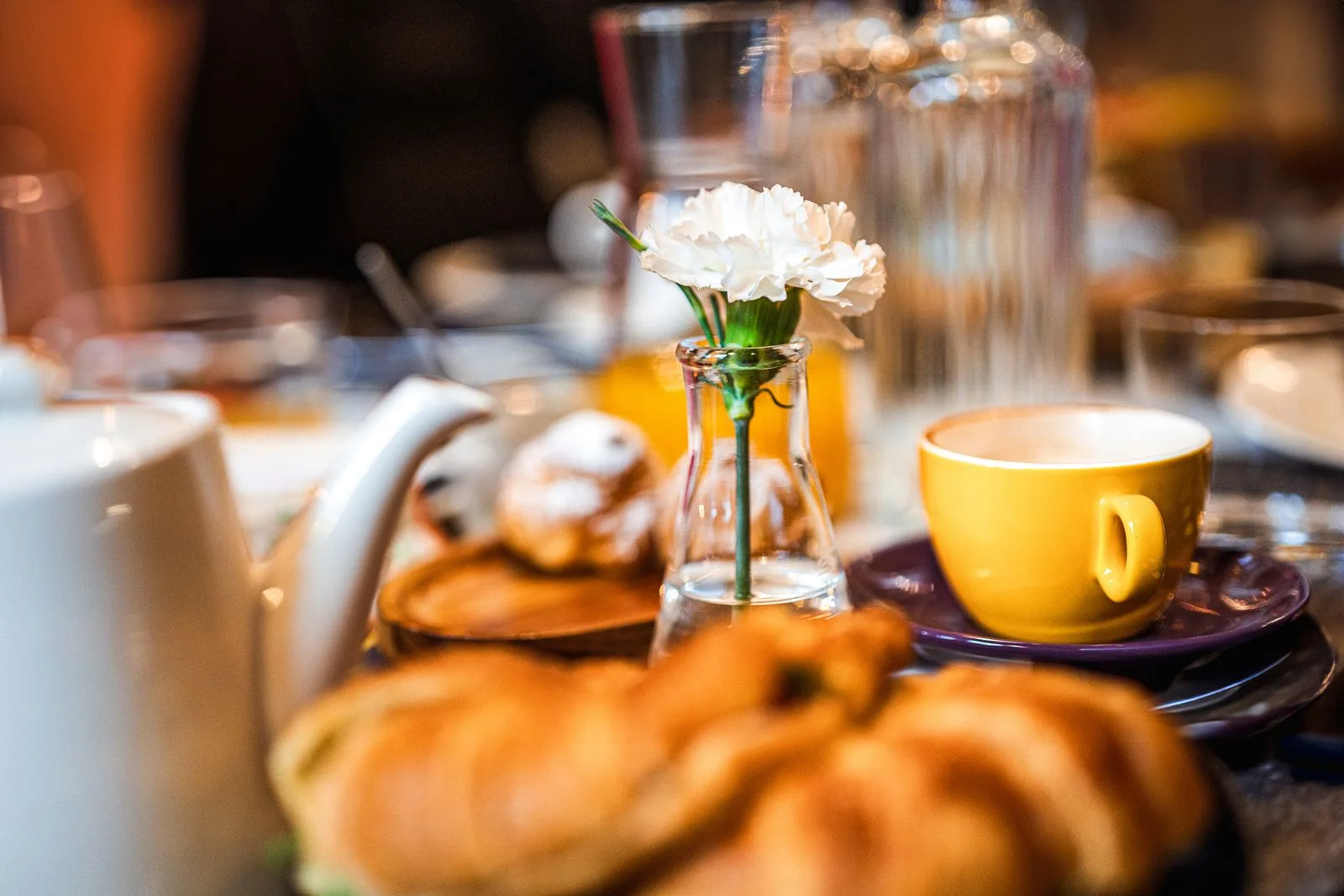
Illustrative photography by Jakub Zerdzicki / Pexels. Images show editorial inspiration, rather than a product or recipe test.
An afternoon invitation does not need to become a miniature catering job. Four people can enjoy tea, a savory bite and something sweet without a three-tier stand or a whole morning of baking. The most useful starting point is the purpose of the gathering: an hour or two of conversation, with enough food to make everyone comfortable.
Our buying advice is research-led. Links may take you to retailers; any paid relationship is identified beside the link. See our affiliate disclosure.
This plan assumes a light afternoon occasion between meals. If tea replaces lunch, increase quantities and choose a more substantial menu. Ask guests about dietary requirements before buying ingredients, then use appropriate recipes and label checks. A simple menu is easier to adapt than several complicated dishes.
Pick three things to serve
Choose one savory item, one main sweet and one fresh element. For four people, a starting plan could be eight small sandwich pieces, four modest slices of cake and a bowl of prepared fruit. Appetites and timing vary, so treat those amounts as a planning example rather than a fixed standard.
For the sandwiches, choose a familiar filling that suits the guests. For the cake, make one recipe you trust or buy a cake you genuinely want to serve. Buying the sweet is a sensible choice when it leaves more time for company. There is no obligation to disguise it as homemade.
The fresh element might be strawberries in season or sliced pears when they are appealing locally. Fruit can be served plainly. Adding a second sauce, glaze or elaborate garnish often creates extra work without making the gathering more enjoyable.
Give the kettle a practical job
Ask whether guests prefer tea, coffee or a non-caffeinated option. Two familiar tea choices are usually enough; there is little benefit in buying an assortment that will remain untouched. Set out milk or alternatives appropriate to the choices and the guests.
Check the teapot’s usable capacity rather than its visual size. Four cups of roughly 200 ml call for about 800 ml of drink, allowing for the particular pot and serving method. Some cups are considerably larger. A second brew can be easier than finding an oversized pot that is awkward to lift.
Follow brewing instructions for the tea being used. Set a timer if conversation is likely to distract you. Put the pot on a suitable surface and leave enough clear space around it for serving comfortably.
Work backwards from arrival
The day before, decide the menu, check tableware and shop. If baking, use a recipe whose schedule fits your available time and follow its storage instructions. Set out dry serving pieces and decide where coats or bags will go if space is tight.
On the day, clear the table and prepare the room before finishing the food. Follow appropriate guidance for handling and chilling perishable ingredients. Arrange items that can be set out safely within the limits of that guidance; finish the rest closer to serving.
Ten minutes before arrival, put water in the kettle, check cups and place a serving utensil beside each dish. The aim is to avoid discovering that the only cake knife is still in the dishwasher while guests are waiting.
Use tableware in proportion to the table
One cake plate, one sandwich platter and a fruit bowl may be all that is needed. Allow room for cups and elbows. A tall stand can be useful on a crowded table, but it can also interrupt conversation or occupy cupboard space for most of the year.
If you are considering a stand, check the plate diameters, total height and whether it dismantles for storage. Confirm how it is cleaned and whether the base feels stable. A low platter is often easier to pass around and can also serve weekday meals.
Mixed cups work well when their capacities are similar. If one guest has a large mug and another a tiny cup, making tea by the pot becomes less predictable. Comfortable handles and an easy pouring pot are more useful than matching patterns.
Spend on food before accessories
A good version of a cake everyone enjoys is a better use of the budget than themed napkins, novelty sugar cubes and multiple serving tools. Start with a total amount you are comfortable spending, then divide it between savory food, sweet food, fruit and drinks.
Compare portion sizes when shopping. A larger pack may have a lower unit price, yet still cost more and leave unwanted leftovers. Consider whether the remainder fits a specific future meal. The useful pantry list offers a way to make that decision more concrete.
If guests ask what to bring, suggest one clear contribution. A favorite tea or the fruit can be genuinely useful. Avoid giving everyone the same vague instruction, which can produce four cakes and nothing savory.
Let the table stay relaxed
Put extra napkins and a small plate within reach. Offer another drink, but do not feel compelled to keep replenishing every dish until the table resembles the opening arrangement. A little space appearing on the platter is evidence that people are eating.
For another low-pressure gathering, see the seasonal fruit dessert table. More meal and hosting ideas live in Everyday Food.
Frequently asked questions
Do I need a tiered cake stand?
No. It is a serving option with a storage cost. Existing plates and a platter can serve the same menu comfortably.
Can everything be bought ready-made?
Yes. Choose food that suits the guests and present it clearly. Hosting depends on a welcoming arrangement and thoughtful choices, not a claim that every item was made in your kitchen.
What if guests arrive at different times?
Make drinks as people arrive and manage perishable food according to suitable guidance. A menu that can be served in small batches is more practical than a single arrangement that must sit out for a long period.
This story belongs to our June 2026 editorial issue. This edition was published and reviewed on October 10, 2026. Our guidance is based on editorial research and practical planning, not an undisclosed hands-on product test.