Choose One Main Bread for a Small Breakfast Menu
By Love Coma Cakes Editorial · Published March 12, 2023 · Updated March 12, 2023
Choose one main bread for a small breakfast menu, comparing its actual role with drinks and accompaniments before several similar options expand the table and shopping list.
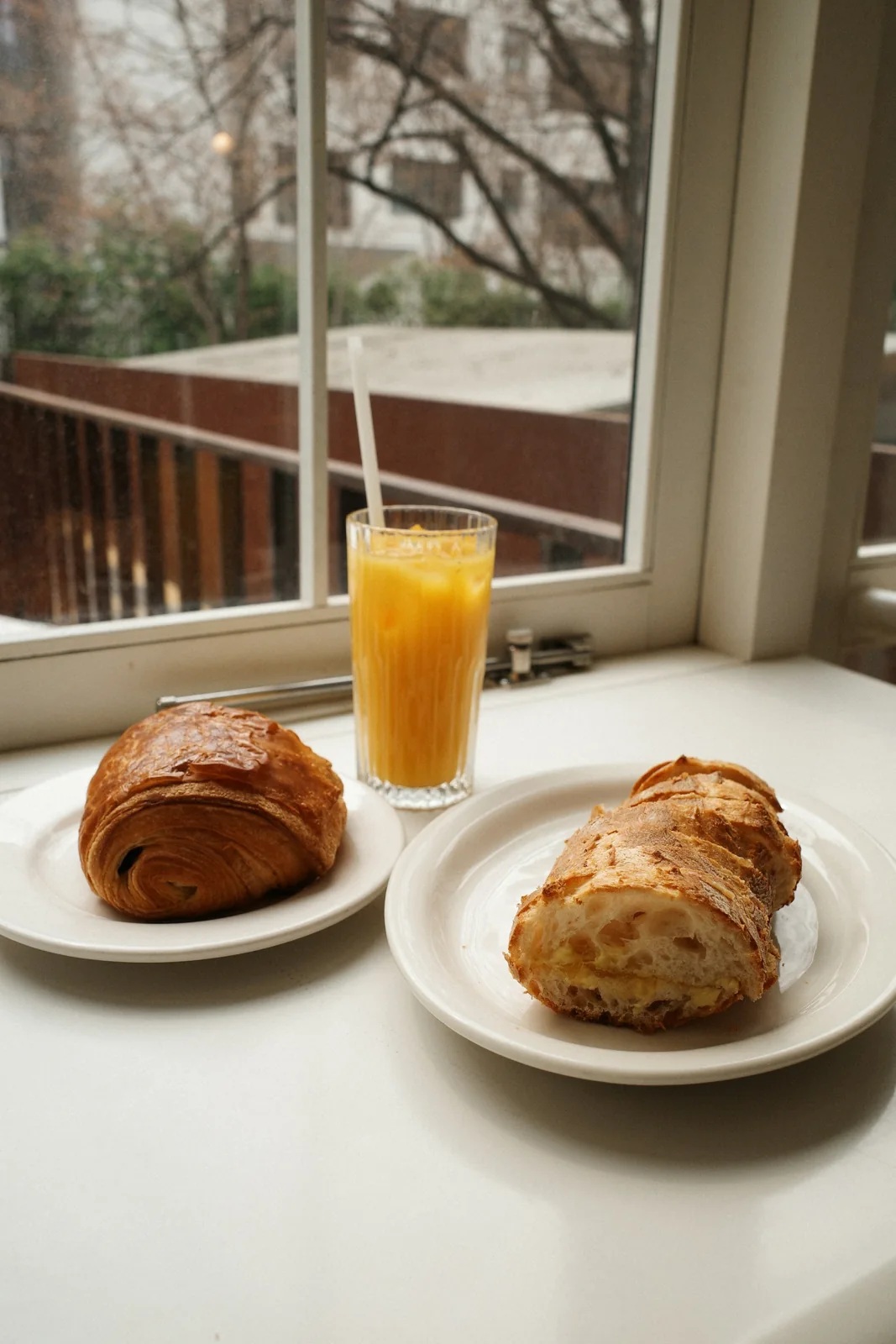
Illustrative photography. Images show editorial inspiration, rather than a product or recipe test.
Choose the breakfast shape first
A small breakfast menu can become crowded when several breads are added without a clear role. Begin with the meal you actually want: a bread-based plate, a modest accompaniment to another dish or a shared breakfast centred on one chosen bake.
Use the actual number of people and their confirmed food requirements. A photograph of bread, pastry and juice can suggest a mood, but it cannot tell you the quantity or ingredients suitable for your gathering. Keep those decisions separate from presentation.
Name the main bread's job
Choose the bread or pastry that best serves the meal's central purpose. It might be the main food, something offered alongside a familiar dish or a recipe project you specifically want to share. Describe that role before considering another similar item.
If a second option does not add a distinct purpose, leave it off the initial list. You can offer choice where people genuinely need it, but do not assume several nearly identical options are necessary to make breakfast welcoming. A clear menu is easier to explain and prepare.
Read the actual product or recipe
Check ingredient information, intended preparation and relevant guest questions. A familiar name does not establish that every version contains the same things. For a home bake, use a reliable recipe and read its full method, yield and equipment needs before settling the menu.
Keep the plan realistic for the morning. If the chosen bread requires preparation that conflicts with the rest of the meal, select a more suitable recipe or retained option. Do not improvise a shortened process merely to preserve the original menu photograph.
Bound the accompaniments
Choose accompaniments that belong with the bread and the rest of the meal. Several spreads can duplicate the same role while taking space and creating more open containers to manage. Keep ingredient identities and appropriate handling information available.
Set out empty suitable plates and serving pieces as a dry comparison. Include the drinks and actual places people will use. If the table feels full before any food arrives, simplify the group rather than adding another surface without a clear serving plan.
After breakfast, note whether the main bread fulfilled the role you gave it. The useful observation might be that one clear option kept the meal relaxed, or that a confirmed preference required a different choice. Keep the conclusion specific to that gathering. You do not need a permanent rule against variety. Choosing one main bread simply gives a modest breakfast a centre and prevents an attractive assortment from becoming an unnecessary shopping and preparation task.
Write the selected bread on the first menu line and place every proposed accompaniment underneath it. If an extra pastry merely repeats the same role, pause it. If it serves a confirmed different need, identify that reason clearly so its place in the shopping list remains understandable.
Related reading
Set Out Breakfast Toppings Without Opening the Whole Pantry, A Slow Saturday Breakfast Without a Sink Full of Dishes.
This story belongs to our March 2023 editorial issue. Publication and update dates follow the journal’s monthly editorial calendar. Our guidance is based on editorial research and practical planning, not an undisclosed hands-on product test.