Keep Breakfast Components Separate Until the Last Moment
By Love Coma Cakes Editorial · Published April 1, 2022 · Updated April 1, 2022
Keep a simple breakfast flexible by preparing dry, wet and finishing components separately, then combining each portion only when it is ready to be eaten.
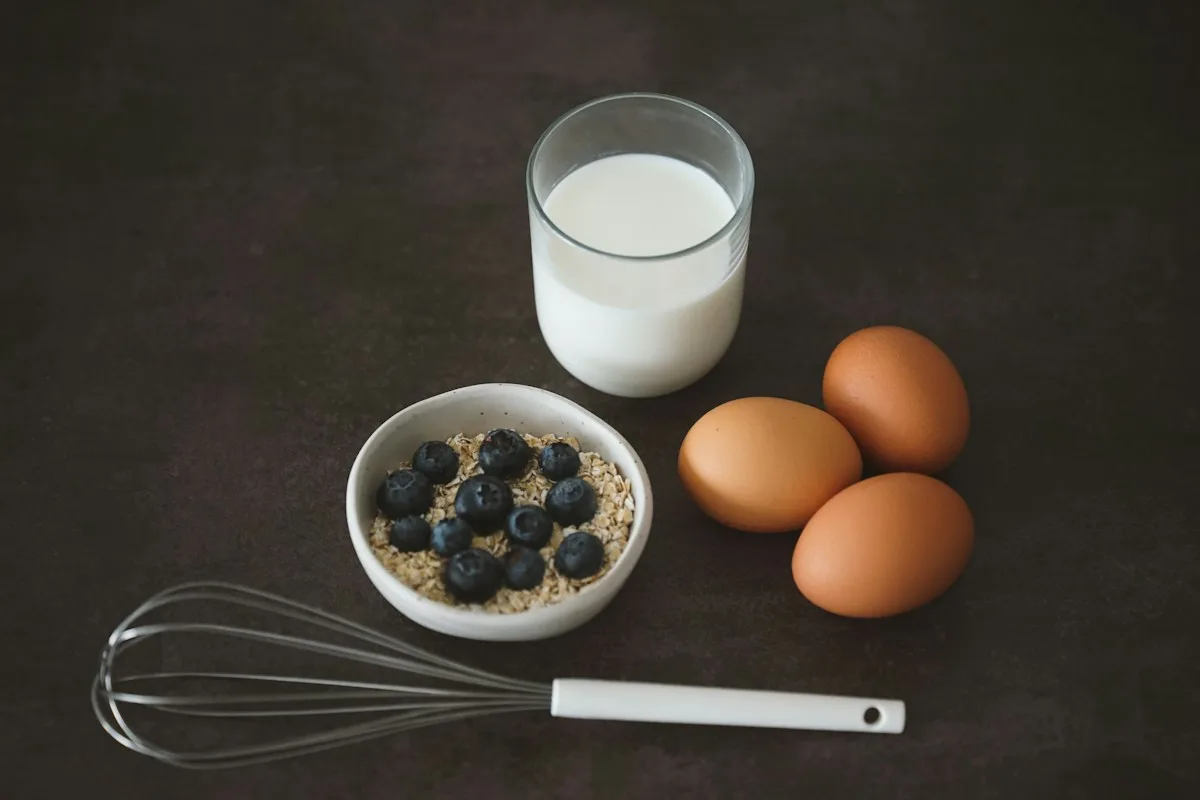
Illustrative photography. Images show editorial inspiration, rather than a product or recipe test.
A breakfast with several small components does not have to become several separate breakfasts. Keeping the wet, dry and finishing elements distinct can make an ordinary bowl or plate easier to adjust. The useful question is what benefits from being prepared early and what loses its texture while waiting.
Start with the intended breakfast
Choose the recipe or meal before setting out ingredients. Oats, milk, berries and eggs can belong to different breakfasts, so their presence on the counter is not a reason to combine them all. Read the chosen method and identify which ingredients need cooking, soaking or another specific preparation.
For a straightforward cold breakfast bowl, for example, a dry portion and a topping can wait separately until serving. For a cooked breakfast, follow the recipe's order instead of treating an uncooked ingredient as ready to eat. This small distinction prevents a photograph of attractive ingredients from becoming an improvised set of instructions.
Separate the jobs that affect texture
A crunchy topping usually has a different waiting point from a moist base. Put the topping in a small dry bowl and keep the spoon dry too. Add it when the portion is served, rather than stirring it into every bowl while the rest of breakfast is still being made.
Fruit can also change the mixture. A juicy topping may release liquid as it sits. Prepare only the amount required and keep it separate until it is needed. Follow appropriate storage for the particular food; separation on the counter is a serving choice, not a substitute for refrigeration or cooking.
Leave one adjustment available
Choose a modest starting portion of a finishing ingredient. Someone can add more milk or a further spoonful of topping, but cannot easily remove it once stirred through. Keeping that final addition beside the bowl makes the breakfast adjustable without preparing several different recipes.
Avoid offering every jar in the pantry. Two finishing options are usually enough for a small ordinary meal: perhaps one fruit and one dry topping already chosen for the recipe. Retain packages when someone needs to check ingredients. Separate spoons keep the options understandable and avoid moving one mixture into another.
Put the remaining components away
Once everyone has assembled a portion, return ingredients to their proper storage. Do not leave the whole arrangement out simply because someone may want another bowl later. A second serving can be assembled from stored components when it is actually wanted.
Notice what remained unused. If one topping was untouched, leave it out next time rather than expanding the display to encourage interest. A useful breakfast setup makes the chosen meal easier to serve and clear away. It does not require a new collection of bowls or a different topping for every person.
Related reading
A Slow Saturday Breakfast Without a Sink Full of Dishes, Set Out Breakfast Toppings Without Opening the Whole Pantry.
This story belongs to our April 2022 editorial issue. Publication and update dates follow the journal’s monthly editorial calendar. Our guidance is based on editorial research and practical planning, not an undisclosed hands-on product test.