A Seasonal Fruit Dessert Table
By Love Coma Cakes Editorial · July 1, 2026 journal issue · Published October 10, 2026
Build an uncomplicated dessert around appealing fruit, a crisp accompaniment and serving pieces with everyday uses.
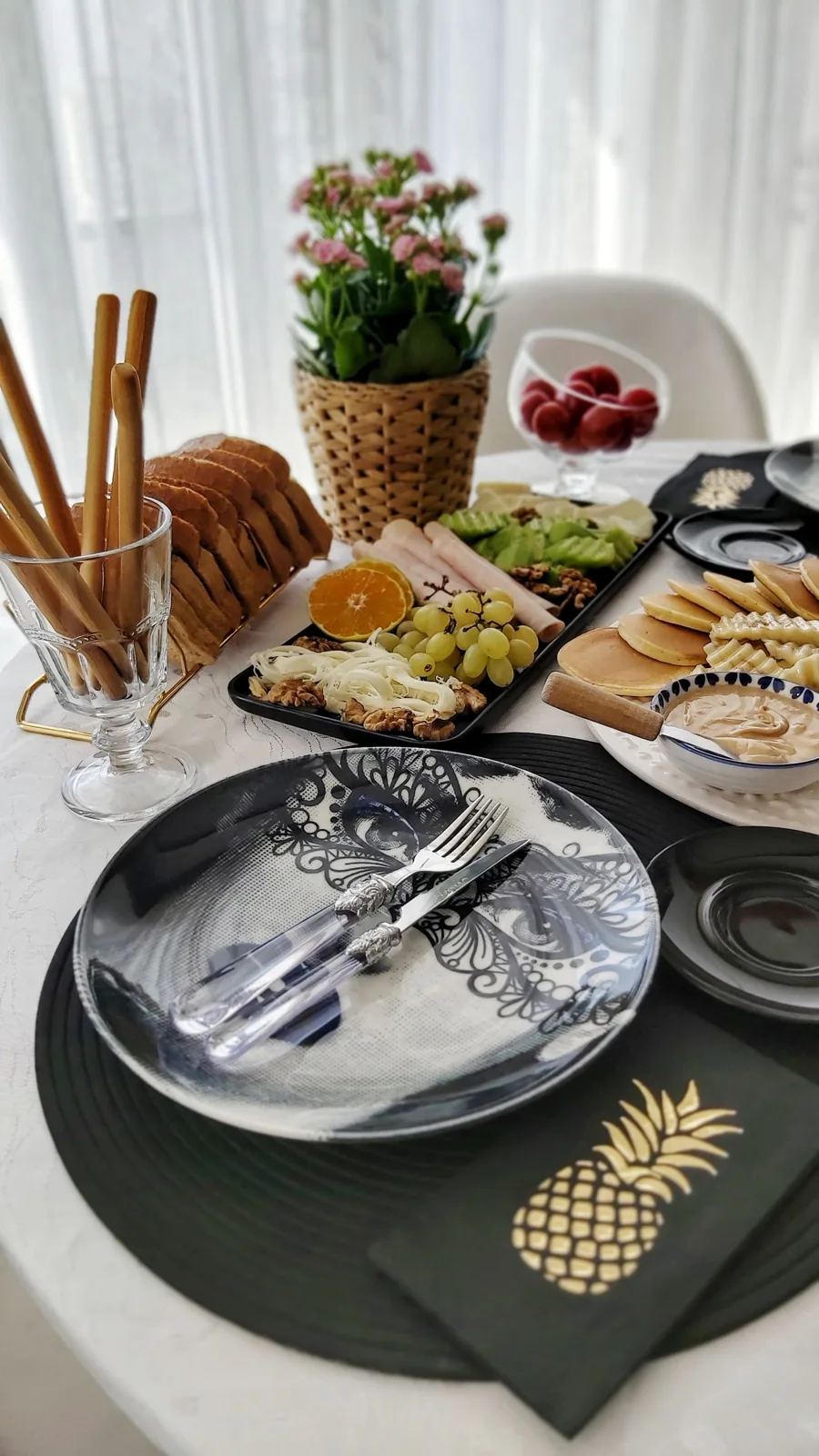
Illustrative photography by yasemin . / Pexels. Images show editorial inspiration, rather than a product or recipe test.
When dinner already requires attention, dessert should earn its place in the schedule. A fruit-centered table can offer a satisfying finish with less last-minute cooking. The interest comes from choosing appealing fruit, adding one contrasting element and giving people room to serve the amount they want.
Our buying advice is research-led. Links may take you to retailers; any paid relationship is identified beside the link. See our affiliate disclosure.
Seasonal means what is appealing and available where you shop. It does not require an imported selection that matches a photograph. A bowl of good pears can be a better foundation than expensive berries bought out of habit. Let the fruit counter shape the plan, then keep the remaining ingredients simple.
Make fruit the main decision
For four people after a meal, around 600–800 g of prepared fruit offers a useful planning range, adjusted for appetite and the other desserts. Buying weight will differ when fruit has stones, thick skins or substantial trimmings. If serving whole pieces, count them rather than trying to force every choice into the same weight formula.
Choose two fruits with different textures. Soft berries and crisp apple can work; sliced ripe pear with citrus segments is another possibility. Use combinations you like eating together. Three or four varieties can look abundant, but increase preparation and leave more partial packs to use.
Inspect the fruit for condition and buy according to when it will be served. Ask the seller for advice about ripeness when needed. Follow appropriate washing, preparation and storage guidance for the varieties you choose.
Add a crisp element and one optional spoonful
Plain biscuits, shortbread or a familiar homemade bake can provide contrast. Plan perhaps two small biscuits per person as an initial quantity, with the understanding that size and appetite vary. If choosing packaged food, read ingredient labels for the diners and compare the actual portion count.
An optional bowl of yogurt, cream or another suitable accompaniment adds a softer element. Choose one, rather than opening several tubs to create a sense of choice. Follow appropriate handling and serving guidance for perishable accompaniments.
Keep the components separate until serving when that helps preserve texture. Guests can assemble fruit, biscuit and accompaniment on their own plates. This also makes portions more flexible than a large dessert divided into predetermined servings.
Choose a serving style for the room
A central platter works when everyone can reach it comfortably. On a narrow table, two smaller bowls may be easier to pass. If people will be sitting in different parts of a room, individual plates can prevent awkward balancing with a shared dish.
Think about utensils before arranging fruit. Pieces that need a knife deserve a stable plate and appropriate cutlery. Smaller prepared pieces can suit a spoon or fork. A dessert that looks easy but requires guests to dismantle a whole peach on their lap is less convenient than it first appears.
Leave space around the dishes for used serving utensils. A spoon balanced on the rim of a shallow bowl can slide into the food or onto the table. A small side plate provides a straightforward resting place.
Buy a platter with a second job
A useful platter should work beyond one summer meal. Consider whether it could serve sandwiches, vegetables or a simple cake. A modest rim can help contain fruit juices, while a completely flat surface may be better suited to dry bakes.
Measure the cupboard and table before buying. An impressive platter that needs to be stored diagonally or washed in a bath-sized sink may create more work than it solves. Check its weight when loaded, particularly if it will be passed around.
Materials have tradeoffs. Ceramic can feel substantial and suit many tables, but requires care against chips. Metal may be lighter depending on the design, with finish and care details worth checking. Wood brings a different appearance, though suitability for wet foods and cleaning varies by product. Follow the maker’s instructions rather than treating all serving boards alike.
Avoid decorative ingredients with no destination
A herb sprig, edible flower or dusting of something can look attractive, but it should be appropriate for eating and add a flavor people want. Do not buy an entire packet purely to decorate one plate. The fruit’s natural colors may already provide enough visual interest.
Use a plain cloth or clear table if it makes serving easier. A handful of unrelated props can crowd the space where guests need to put their plates. The most welcoming arrangement is one people can understand immediately.
Plan for the meal you are actually hosting
After a substantial dinner, a smaller fruit selection may be enough. For an afternoon gathering, add a more generous bake and drinks. Our afternoon tea for four shows how a savory item, sweet and fruit can form a complete light occasion.
Shop with a realistic next use for extra ingredients. A second breakfast or planned lunch is more useful than assuming that someone will eventually eat the remainder. The pantry shopping list guide offers a similar approach for cupboard ingredients, and Everyday Food collects more practical meal ideas.
Frequently asked questions
Must every fruit be locally seasonal?
No. Availability, quality, budget and preference all matter. Seasonal shopping is a useful starting point rather than a rule that overrides the needs of the meal.
Can I prepare the whole table in advance?
Prepare only in ways appropriate to the ingredients and their storage requirements. Set out dry tableware early, then follow suitable guidance for prepared fruit and perishable accompaniments.
Is a serving board necessary?
No. Bowls and plates may contain juices more conveniently. Buy a board only when its material, care routine and other uses make sense for your household.
This story belongs to our July 2026 editorial issue. This edition was published and reviewed on October 10, 2026. Our guidance is based on editorial research and practical planning, not an undisclosed hands-on product test.