Kitchen Towels, Cloths and Sponges: Give Each One a Job
By Love Coma Cakes Editorial · October 1, 2026 journal issue · Published October 10, 2026
Make sense of everyday kitchen textiles and cleaning tools, with a practical buying approach based on tasks, care and drying space.
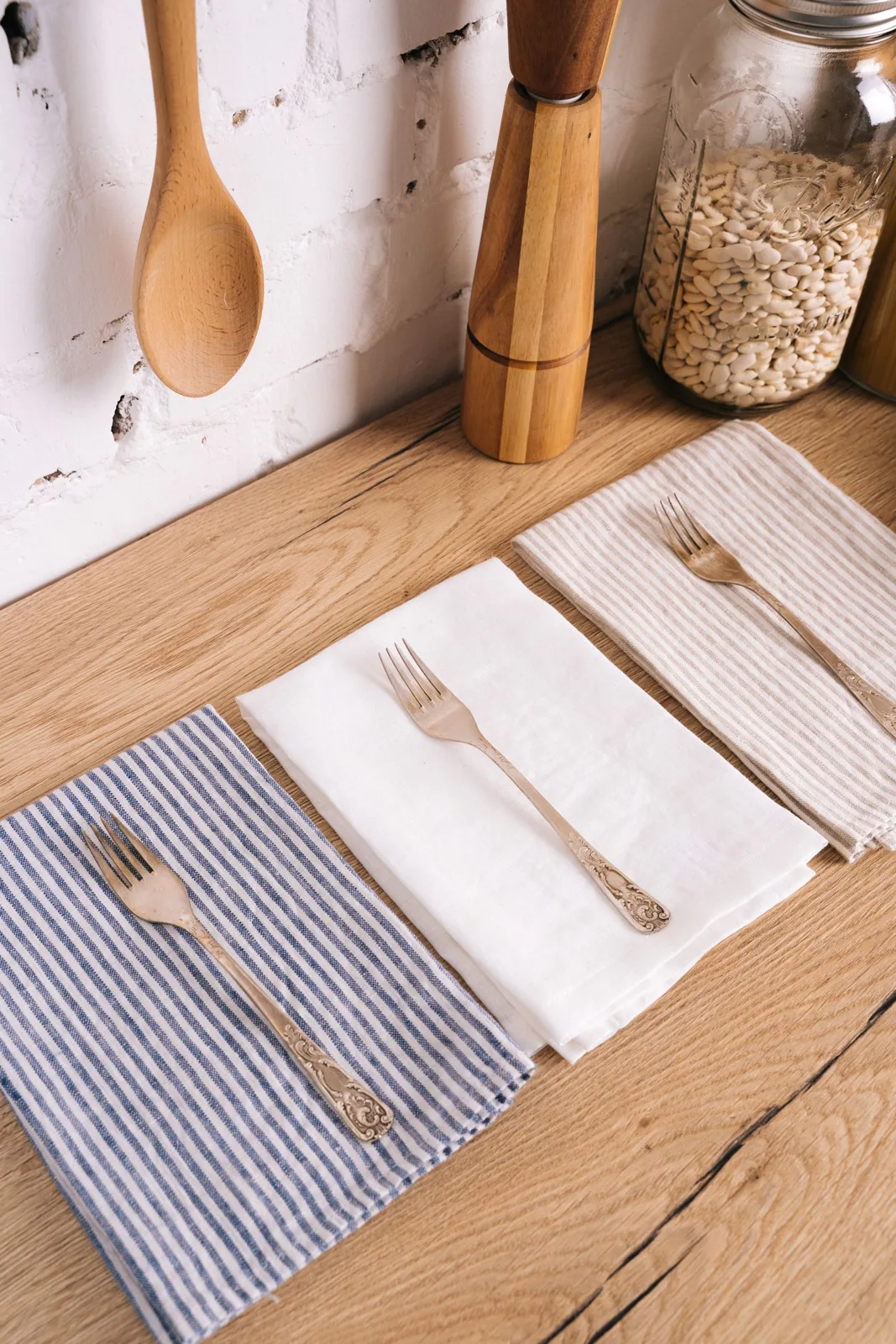
Illustrative photography by Tima Miroshnichenko / Pexels. Images show editorial inspiration, rather than a product or recipe test.
At a busy sink, a towel can become an all-purpose object before anyone notices. Someone dries their hands, someone wipes a splash and someone reaches for the same towel beside the clean plates. A more useful setup begins by giving different tasks clear homes. The goal is an understandable routine that the whole household can follow, with tools whose care requirements are realistic.
Our buying advice is research-led. Links may take you to retailers; any paid relationship is identified beside the link. See our affiliate disclosure.
This is a guide to choosing and organizing tools, not a substitute for food-safety or cleaning instructions. Follow relevant official guidance, product directions and fabric care labels for cleaning, laundering and replacement. Materials and uses vary too much for one improvised treatment to suit everything.
Name the jobs before buying the set
Separate hand drying, dish drying and wiping surfaces. Add any specific task your kitchen needs, such as a tool suitable for a particular pan according to its manufacturer. These jobs may call for different products and different care routines. An attractive bundle is only useful if its pieces match those requirements.
Choose obvious positions. A hand towel can have a designated rail, while dish-drying towels belong near the drying area. Keep tools used for surfaces separate from textiles intended for clean dishes. If several people share the room, a small label or a distinct color can make the arrangement easier to understand.
Color is a communication tool, not evidence of cleanliness. A cloth still needs the appropriate care regardless of its assigned shade. Avoid building a complicated system with so many colors that guests and family members cannot remember it.
Compare towels with care in mind
Read the fiber content, dimensions and care label. A compact towel can be easy to hang but become inconvenient for a larger load of dishes. A thicker fabric may take longer to dry in your particular space. A lightweight weave may fit neatly in a small drawer but feel different in the hand. Look for the balance that suits the job.
Check whether decorative trim changes the washing requirements. A plain everyday towel that fits the household laundry routine can be more practical than a special textile that needs separate handling. Buy enough to have suitable clean replacements available without storing a mountain of unused spares.
| Job | Features to consider | Question to ask |
|---|---|---|
| Hand drying | Comfortable size and clear hanging place | Can everyone identify this towel? |
| Dish drying | Fabric suitable for the dishes and its stated use | Does it fit the existing laundry routine? |
| Surface wiping | Compatibility with the surface and cleaning method | Can it be kept distinct from dish textiles? |
| Washing a particular pan | Manufacturer-approved tool or surface | Could this damage the finish? |
| General sink organization | Easy cleaning and adequate drying space | Will the holder itself need awkward maintenance? |
A sponge and a brush solve different problems
Consider what you wash most often. A brush handle can be convenient for some tasks; a sponge’s shape may reach others. Neither format removes the need to follow cleaning and replacement guidance. Abrasiveness matters, especially on coated cookware and easily marked surfaces. Check the pan or surface instructions before choosing a scrubber based on appearance or a broad marketing label.
Some tools have replaceable heads. These can reduce the need to replace the whole handle, but only if compatible heads remain available and the mechanism is easy to clean. Compare the cost and storage of replacement parts with a simpler complete tool. Keep the exact model information if you choose a refill system.
Do not assume a tool is dishwasher-safe because it contains plastic or looks sturdy. Read its instructions. Also avoid improvised microwave or chemical treatments unless they are explicitly appropriate under reliable guidance for that exact product and use.
Give drying space a fair share of the plan
A crowded holder can make even a carefully chosen collection inconvenient. Inspect how brushes, cloths and towels will sit between uses. Follow the products’ instructions for care and drying, and choose a location that is easy to keep in order. A towel folded repeatedly over a narrow hook is a different arrangement from one spread along a rail.
Removable caddies can be easier to access for cleaning than an elaborate fixed organizer. Check the underside, joints and any drainage tray before buying. A holder that demands more work than the tools inside it may not earn its space.
Keep replacements simple
Store clean textiles together in a dry, appropriate location. Keep a clear destination for items awaiting laundering so they do not return accidentally to the working supply. The system should be obvious enough to maintain during the last few minutes of an evening.
Review what you actually use before buying a multipack. If half the collection stays in a drawer, another bundle is unlikely to help. Spend on the correct tool for a recurring job, and let decorative extras remain optional. Our kitchen reset guide shows how these small decisions fit an evening routine.
Frequently asked questions
How often should I replace a sponge?
Follow appropriate food-safety guidance and the manufacturer’s instructions, taking use and condition into account. A universal schedule in a shopping article cannot account for every household and task.
Can one towel do every job?
Give separate tasks clear tools and locations, especially hand drying, dish drying and surface wiping. An uncomplicated separation is easier to maintain than an ambiguous all-purpose pile.
Should I buy an expensive coordinated set?
Only if its materials, care requirements and quantities suit the kitchen. Coordination is useful when it makes jobs easier to identify. Explore further everyday decisions in Kitchen & Home.
This story belongs to our October 2026 editorial issue. This edition was published and reviewed on October 10, 2026. Our guidance is based on editorial research and practical planning, not an undisclosed hands-on product test.