Choose Market Produce for Two Named Meals
By Love Coma Cakes Editorial · Published June 1, 2026 · Updated June 1, 2026
Connect a small produce purchase with actual recipes, suitable storage and a manageable preparation route.
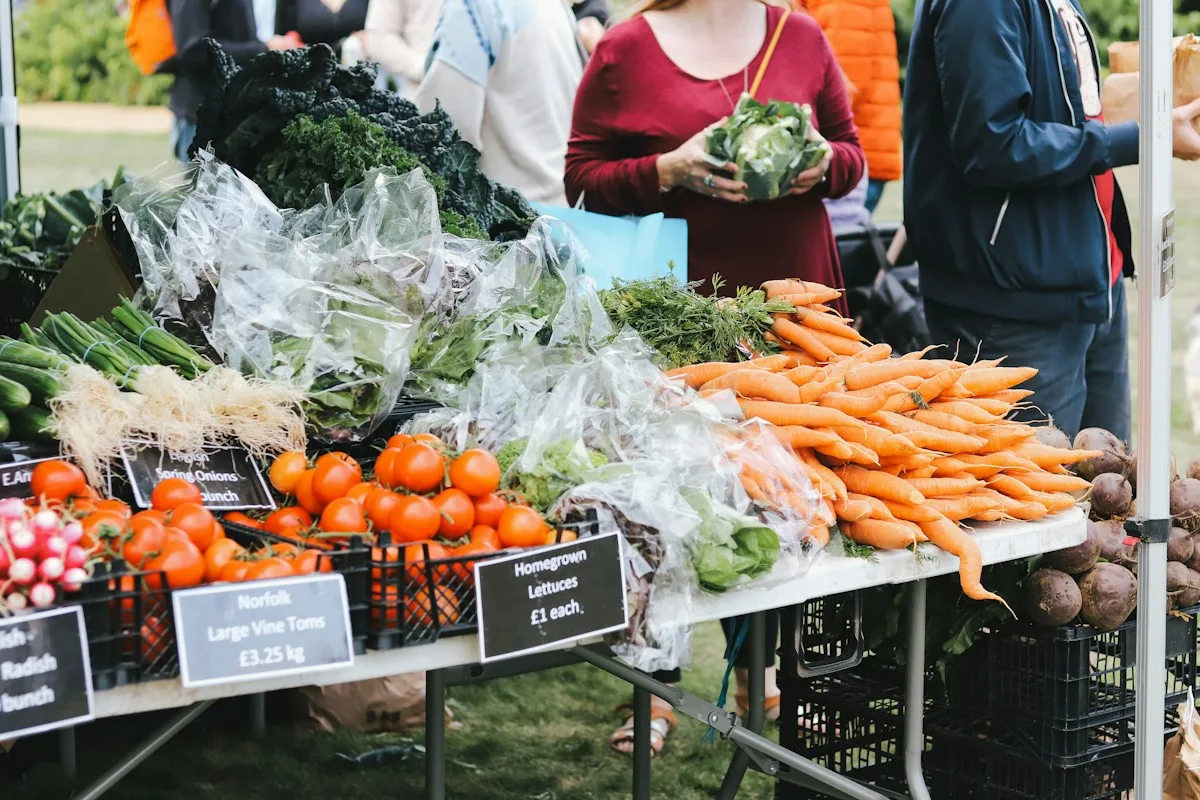
Illustrative photography. Images show editorial inspiration, rather than a product or recipe test.
Name the meals before browsing
A market visit can fill a bag with appealing produce while leaving dinner undecided. Choose a few actual meals before shopping and identify the ingredients they need. Keep the plan flexible enough to respond to availability without assuming every vegetable can replace another in the same recipe.
Use reliable recipe-specific guidance for substitutions and preparation. The shopping plan should reduce uncertainty rather than create an improvised menu from several unrelated purchases. A smaller bag with a clear role can be more useful than a large collection chosen only for its appearance.
Check what is already at home
Look at current ingredients and their appropriate storage and use requirements before leaving. Keep identities and relevant information clear. A useful list distinguishes what is needed from what merely looks nearly finished in an awkward cupboard.
Include the recipe components that make the produce into a meal. Buying vegetables without the other required ingredients can leave the original dinner problem unresolved. Our shopping-list guide supports that connection without turning the trip into an inventory project.
Choose manageable quantities
Base the amount on the actual meals, household size and appropriate storage available. Do not assume a larger purchase offers practical value if the home cannot handle it suitably or the planned meals will not use it.
Ask the seller for relevant product information where needed, but use reliable guidance for food handling and preparation. Keep unfamiliar produce identifiable. If the ingredient or its suitable use cannot be established, choose another option rather than relying on appearance or a guessed recipe.
Keep the carrying plan suitable
Choose bags or containers appropriate for the produce and the journey. Protect delicate items and keep foods separated as required. Consider the loaded weight and the route home before adding another purchase.
Do not let a market outing become a long sequence of extra stops that conflicts with the food's handling needs. The bag and schedule should support the actual ingredients. A pleasant browsing plan remains secondary to getting food home under appropriate conditions.
Give each purchase a destination
At home, handle and store the produce according to reliable guidance for the particular items. Keep the two meal groups understandable without creating an unsuitable shared storage condition. Different ingredients may need different locations.
Preserve relevant identities and notes so another household member can understand the plan. A label saying dinner vegetables may be too vague if the two recipes require different quantities or preparation. Use clear food names and the actual meal rather than a private code.
Prepare only what the plan supports
Follow the chosen recipes and appropriate produce guidance when preparing ingredients. Do not assume that all washing, chopping or other preparation should happen immediately for the sake of a tidy display. Timing and conditions depend on the actual food and method.
Keep suitable equipment and a clear working area available. Our grain-bowl guide offers a flexible meal format, while the herb guide helps with a small preparation route. Neither replaces the needs of a different ingredient.
Review the amount used
After the meals, note what was useful and what remained without a clear plan. Follow appropriate handling guidance for any remaining food. Use the observation to adjust the next purchase rather than inventing a universal keeping period or automatically adding another recipe.
A short note can be enough: buy less of one item, choose a more convenient meal or improve the storage position. The market plan works when it connects enjoyment of the visit with food that can be used appropriately at home.
Produce-plan questions
Should every purchase have a recipe? A few flexible familiar ingredients can fit the household routine, but keep their likely use and handling needs clear. Avoid buying a large uncertain collection.
What if the planned produce is unavailable? Choose a verified suitable substitution or change the meal. Do not assume color or shape establishes interchangeability.
Can the whole bag go into one container? Follow the actual ingredients' storage needs rather than treating the shopping bag as a permanent pantry category.
This story belongs to our June 2026 editorial issue. Publication and update dates follow the journal’s monthly editorial calendar. Our guidance is based on editorial research and practical planning, not an undisclosed hands-on product test.