Plan One Leftover Lunch Before Cooking Dinner
By Love Coma Cakes Editorial · Published August 12, 2026 · Updated August 12, 2026
Choose a suitable extra portion, clear container and next-day meal plan without preparing a week of boxes.
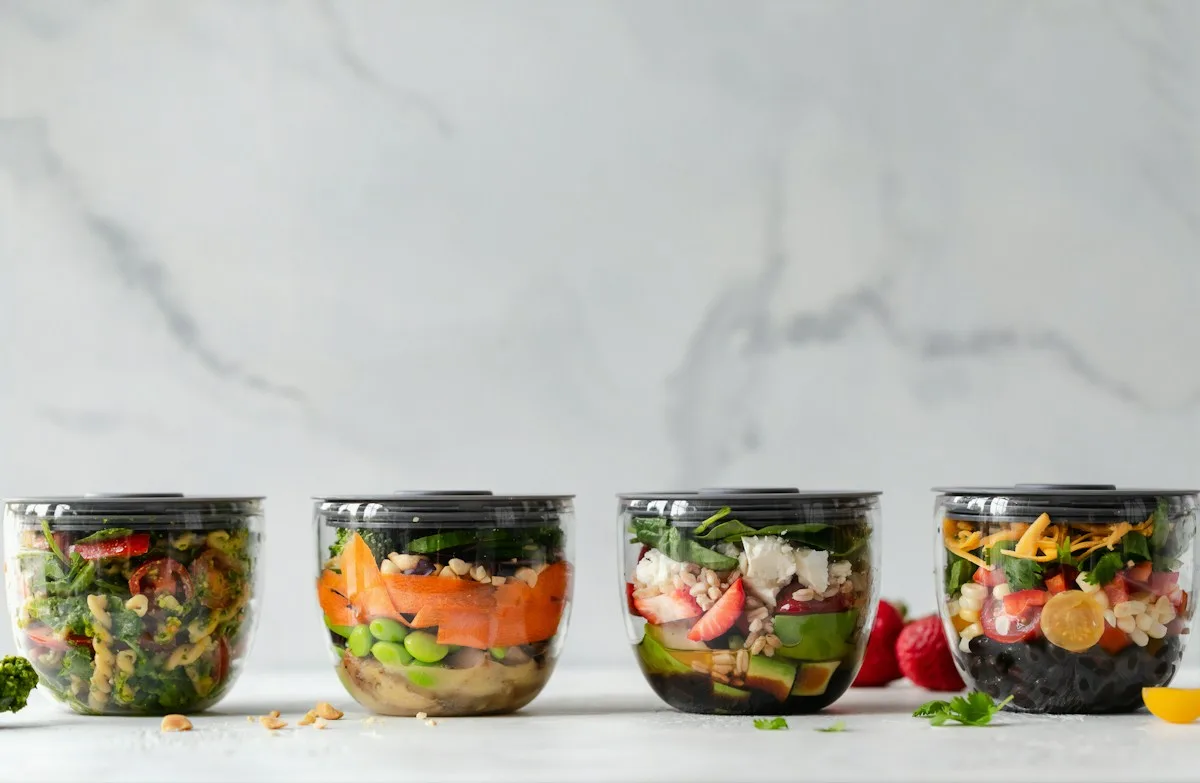
Illustrative photography. Images show editorial inspiration, rather than a product or recipe test.
Choose the next meal’s real setting
Start with the next day's lunch: where it will be eaten, what suitable storage and heating arrangements are available, and who will carry it. A leftover portion is useful only when it fits that setting. Keep dietary needs and the actual food's handling requirements in the decision.
Choose one meal rather than committing to several days of containers. Check the recipe's quantities and reliable guidance before changing the amount prepared. A clear next use is more useful than cooking extra simply because a large pan is available.
Select the container before the food is ready
Choose a food-contact container suitable for the food and its intended transport, storage and later use. Check its instructions and the correct lid. Put it in a clear ready position so the after-dinner decision does not begin with searching through a crowded drawer.
Consider the filled weight and the lunch bag it needs to fit. If sauce or another component needs a separate suitable container, identify that now. Our container guide helps compare practical shapes and permitted uses.
Keep the portion’s identity clear
Follow reliable food-safety guidance for handling, cooling and storing the actual food. Do not use the table's visual appearance or a general leftover rule to decide suitability. Keep the food's name, relevant ingredient details and useful date information clear.
If several household members share a refrigerator, identify whose lunch it is where that helps. A plain readable note is enough for a small collection. Preserve the information needed to use the meal appropriately rather than decorating every container with a private code.
Complete the lunch plan
Identify any accompaniment needed and check that it can be handled suitably. Keep the list small: the meal, the appropriate utensils and the transport arrangement. A lunch portion that still requires a long preparation session in the morning may not solve the intended problem.
Check the actual appliance and container guidance before later heating. Similar-looking equipment and packaging can differ. If the next day's circumstances change, reassess the food-handling plan rather than leaving an unclaimed container indefinitely in the refrigerator.
Return the equipment after lunch
Send the container and bag through their appropriate cleaning, drying and storage routines. Keep used pieces distinct from the ready supply. Note one practical issue if the arrangement was awkward, such as a container that was too large for the bag.
Our lunch-box guide supports the broader routine. Use the observation to improve the next single lunch instead of buying a large matching set before knowing which shape is useful.
Leftover-lunch questions
Can any dinner become tomorrow’s lunch? Follow the actual food's requirements and the next day's suitable facilities. The plan must fit both.
Should the extra portion be packed while everyone eats? Follow reliable handling guidance and a clear household sequence; convenience does not establish a suitable method.
What if the lunch is repeatedly forgotten? Move the reminder to the point where the bag is collected and check whether the meal still fits the person's day. More containers will not solve an unclear departure handover.
This story belongs to our August 2026 editorial issue. Publication and update dates follow the journal’s monthly editorial calendar. Our guidance is based on editorial research and practical planning, not an undisclosed hands-on product test.