Check Refrigerator Space Before Buying Food for Guests
By Love Coma Cakes Editorial · Published August 1, 2026 · Updated August 1, 2026
Plan suitable ingredient positions and serving containers before a small gathering fills the refrigerator.
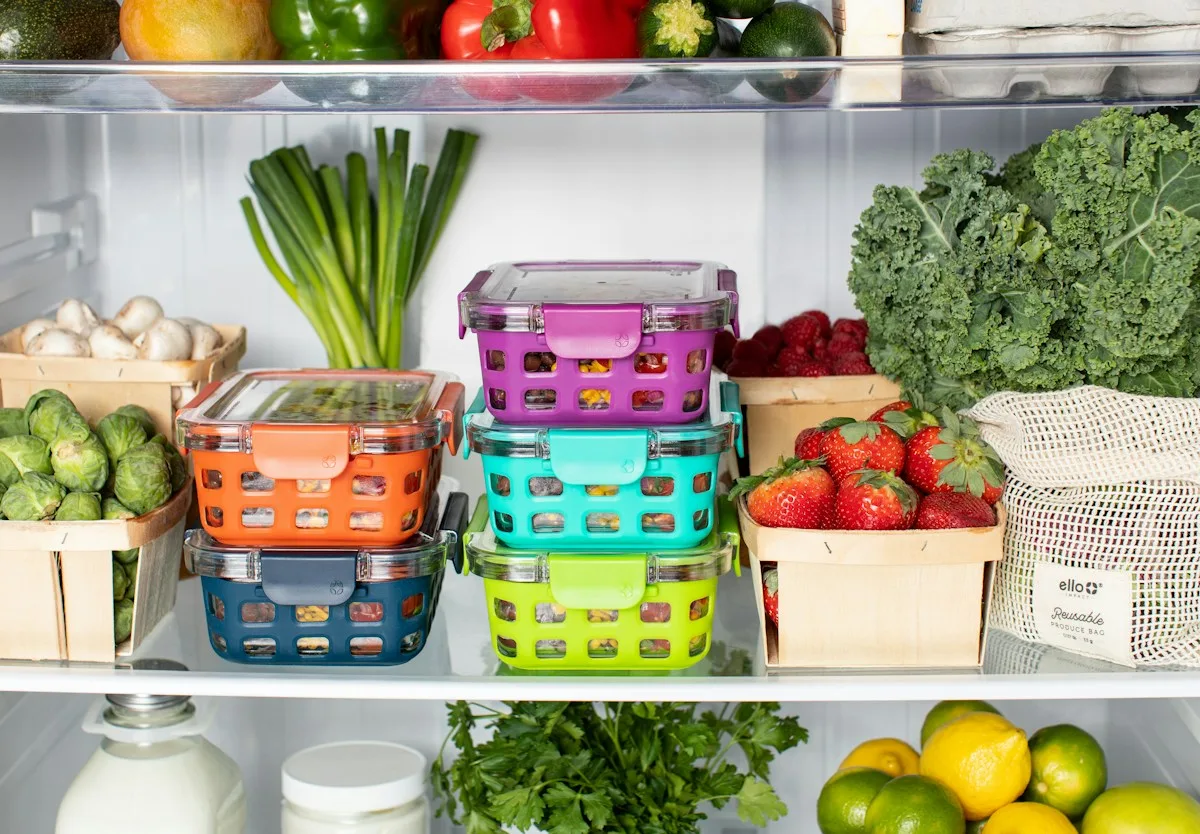
Illustrative photography. Images show editorial inspiration, rather than a product or recipe test.
Start with the menu and actual storage needs
A gathering can produce more refrigerator pressure than the menu first suggests. Before shopping, identify which ingredients and prepared foods require suitable chilled storage and what containers they will occupy. Follow reliable food-specific guidance and the appliance's instructions.
Do not treat a large refrigerator as proof that every menu can fit appropriately. The usable arrangement, product requirements and existing household food all matter. A smaller manageable menu may be more practical than buying extra food and trying to find space afterward.
Check the current contents
Identify what is already stored and handle each item according to its requirements. Keep food identities, dates and relevant information clear. Do not merge uncertain leftovers or remove labels merely to create a matching row of containers.
Investigate any food whose suitability is unclear through reliable guidance rather than relying only on appearance. Organization should support appropriate handling, not conceal unresolved decisions. Keep the ordinary household meals in the plan so guest preparation does not make the next day's food harder to find.
Measure the actual containers
Compare the dimensions of suitable containers and serving dishes with the usable shelf and drawer space. Include lids and the clearance needed to lift pieces out. A dish that fits while empty may still be inconvenient when filled and heavier to handle.
Follow appliance guidance for appropriate arrangement, operation and clearances. Do not block features or pack the space in a way its instructions do not support. A decorative layout is secondary to the conditions the food and equipment require.
Separate menu stages clearly
Keep raw ingredients, prepared food and ready-to-eat items arranged according to reliable handling guidance. Make the intended meal stage understandable to the people helping. A note naming the dish can help, but it does not replace ingredient and storage information.
If food is prepared ahead, follow appropriate recipe-specific and food-safety guidance rather than assuming everything can be made on the same schedule. The refrigerator plan should reflect the actual menu, not a general promise that advance preparation always saves work.
Plan the serving handover
Choose which items leave storage at each appropriate stage and where they will be served. Keep the route clear and the serving equipment ready. Do not remove the whole menu merely to make the table look complete before the food's requirements support that arrangement.
Our table guide helps keep the serving area practical. A suitable refill plan may work better than displaying every portion at once, provided the actual foods are held and handled according to reliable guidance.
Keep helpers informed
Tell anyone assisting which containers belong to which dish and what handling needs matter. Preserve relevant ingredient information, especially for dietary requirements. Do not rely on one person's memory of an unlabeled bowl.
Keep the instructions brief and specific enough to use. A clear menu note with the relevant responsible person may be enough for a small gathering. The aim is a coordinated food plan, not an elaborate chart that no one consults while the kitchen is busy.
Prepare the after-meal storage decision
Choose suitable containers and follow reliable guidance for any remaining food. Keep identities clear and do not assume every dish can share the same later storage or use. Return equipment through its care routine afterward.
Our container guide supports appropriate equipment selection. The shopping-list guide helps keep quantities connected to actual meals. Refrigerator organization works best when it begins before buying and continues through the return after serving.
Guest-food storage questions
Can I make everything in advance? Follow the actual recipes and reliable food-handling guidance. A general hosting plan does not establish one suitable schedule for every food.
Should serving dishes go directly in the refrigerator? Only if the product, food and appliance requirements support the use and arrangement.
What if the planned menu does not fit? Change quantities or menu appropriately before shopping. Do not depend on unsuitable storage because the invitation has already been sent.
This story belongs to our August 2026 editorial issue. Publication and update dates follow the journal’s monthly editorial calendar. Our guidance is based on editorial research and practical planning, not an undisclosed hands-on product test.