Serve Salad Dressing Without Losing Track of the Ingredients
By Love Coma Cakes Editorial · Published June 12, 2026 · Updated June 12, 2026
Choose an appropriate separate or mixed serving plan and keep the utensils and return clear.
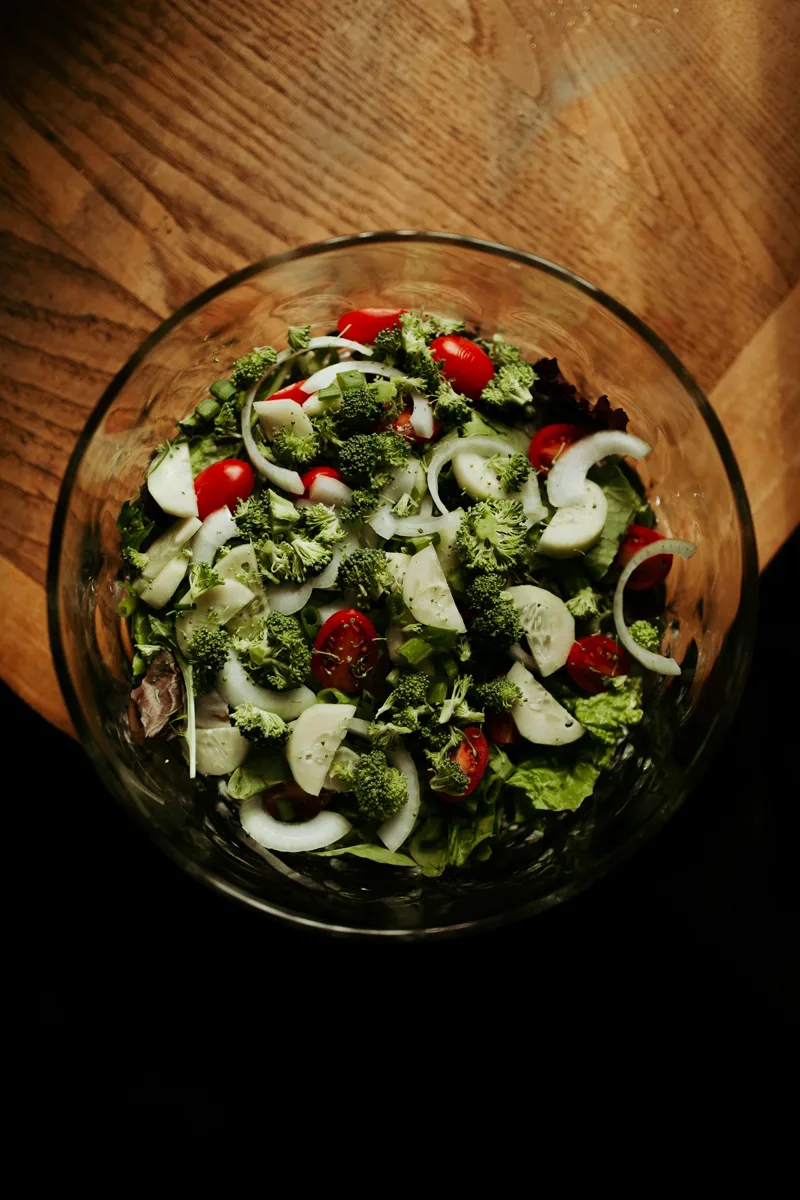
Illustrative photography. Images show editorial inspiration, rather than a product or recipe test.
Choose the salad and the diners first
A separate dressing can offer useful choice, but the decision should begin with the actual salad and the people eating it. Read the recipe and account for dietary requirements before preparing food. Optional serving is not automatically an appropriate solution for every restriction.
Keep ingredient information available for the dressing as well as the main salad. A sauce can contain components that are not visible in the finished bowl. Do not make assumptions about suitability from its name, color or a familiar-looking package.
Follow the actual recipe
Use the recipe's quantities, preparation and handling instructions. If making a change, rely on appropriate recipe-specific guidance rather than treating every oil, acid or other ingredient as interchangeable. A simple serving plan does not turn an unsupported formula into a verified one.
Keep the chosen version clear where several saved recipes exist. Record what was actually used if needed for the household's information. Do not let a private note conceal an ingredient change that matters to the people eating the meal.
Choose a suitable serving container
Use a food-contact vessel appropriate for the dressing and its required conditions. Check the opening, pouring or spooning method and the way it will be cleaned. A decorative narrow bottle may look attractive while being awkward to fill, serve from or maintain.
Choose a manageable first quantity and keep any remaining supply under its appropriate conditions. Do not assume a larger serving vessel makes the meal easier. The container should support the food's needs and the table's available space.
Keep the utensil associated
Give the dressing its suitable serving tool where needed and keep it distinct from other foods when separation matters. Do not let one spoon move between several dishes simply because the meal is casual.
Position the container where diners can reach it comfortably without leaning across hot dishes or knocking glasses. If the table is small, an appropriate nearby serving position may work better. Clear identities and access matter more than a coordinated display of bottles.
Decide when mixing happens
Follow the salad recipe's suitable timing and serving instructions. If dressing is added to individual portions, keep that process understandable. If the whole salad is dressed, account for the actual menu and handling needs rather than assuming every leafy or grain-based salad behaves the same way.
Our bowl-meal guide can support optional finishing choices. The salad still has its own recipe and ingredients. A serving preference should not override the requirements that make the actual food appropriate to prepare and serve.
Plan the return of remaining food
Handle remaining salad and dressing according to reliable guidance for their actual ingredients and conditions. Keep food identities clear and use suitable containers. Do not combine everything into one unmarked jar merely to reduce the number of dishes.
Clean serving equipment according to its instructions and relevant food-handling requirements. Keep used tools distinct from the ready supply. The return stage can be brief when it has been considered before the table becomes crowded with several uncertain bowls.
Review the practical choice
Notice whether separate serving helped the people present or simply added another container. Adjust the next plan from actual use. A different vessel or smaller quantity may solve the issue without changing the recipe.
Our container guide helps assess equipment, and the everyday table guide keeps the serving surface comfortable. Good presentation makes the meal easier to understand and use, rather than hiding ingredient information behind matching accessories.
Dressing-serving questions
Must dressing always be separate? No. Follow the recipe, diners' needs and appropriate handling plan. Separate serving is one format, not a universal improvement.
Can a decorative bottle be used? Establish food-contact suitability and the actual product's use and cleaning requirements first.
What if a guest needs a specific restriction? Discuss a suitable preparation and handling plan. Asking them to avoid one visible ingredient may not address the actual requirement.
This story belongs to our June 2026 editorial issue. Publication and update dates follow the journal’s monthly editorial calendar. Our guidance is based on editorial research and practical planning, not an undisclosed hands-on product test.