Choose Side Dishes Around the Pasta Meal Already Planned
By Love Coma Cakes Editorial · Published January 12, 2024 · Updated January 12, 2024
Choose Side Dishes Around the Pasta Meal Already Planned. A practical guide for an ordinary home kitchen and shared meals.
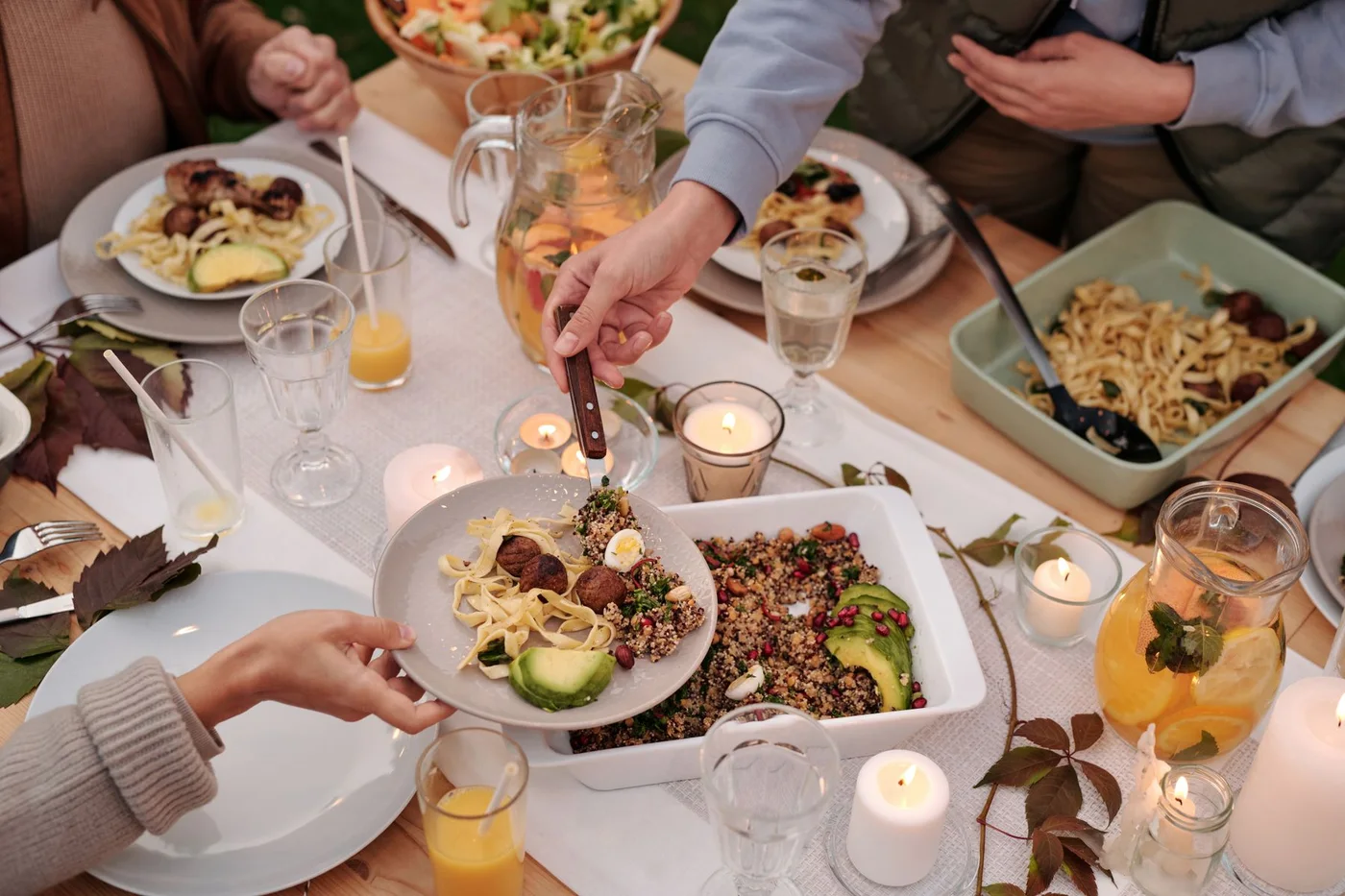
Illustrative photography. Images show editorial inspiration, rather than a product or recipe test.
Read the main dish before adding accompaniments
A pasta meal can acquire several side dishes before anyone has checked what the main recipe already contains. Begin with the actual ingredients, method and serving plan. Identify what the meal genuinely needs alongside it, taking the household's personal food requirements and preferences into account.
This article does not prescribe a nutritional formula or establish that one menu suits everyone. Use appropriate professional guidance where individual needs require it. The planning question is whether another dish serves the actual meal or simply adds preparation because an imagined table looks incomplete.
Choose a distinct useful role
An accompaniment might provide a preferred flavor, a suitable additional option or a familiar food for someone attending. Name that role before selecting the dish. Several sides doing the same job may create unnecessary shopping and preparation without making the meal easier to enjoy.
Our flexible meal guide keeps choices connected to the actual people and ingredients. Pasta menus can be similarly modest without claiming that every dish is interchangeable or suitable for every guest.
Compare preparation demands together
Read the side dish's method alongside the main recipe. Notice whether both need the same equipment or attention at the same stage. Follow the actual food-handling and appliance requirements rather than assuming a side can wait indefinitely while the main dish finishes.
If the combined plan feels awkward, choose another appropriate accompaniment or reduce the menu. A more complicated table is not automatically more welcoming. Keeping one clear serving sequence can be more useful than adding an impressive extra dish.
Confirm contributions before shopping
When other people bring food, agree the intended contribution and the relevant requirements clearly. Keep ingredient information available where needed and distinguish a confirmed dish from a tentative offer. Do not build the menu around an assumption that another person will supply something unnamed.
The shared contribution guide makes this handover explicit for dessert. The same clarity helps with a side dish: the host and contributor should understand its role and the actual serving arrangement before the meal begins.
Keep the table footprint realistic
Choose appropriate serving dishes and check where they will go with the pasta and individual settings. A meal that fits the cooking schedule can still overwhelm a small table. Some suitable serving tasks may belong elsewhere, according to the actual food and equipment requirements.
What if everyone prefers a simple pasta meal alone? There is no need to add dishes by habit. What if a guest needs another suitable option? Plan that explicitly rather than expecting a decorative side to solve an unasked question. A useful menu is clear about the people, preparation and serving space it needs, while leaving enough room to enjoy the meal.
This story belongs to our January 2024 editorial issue. Publication and update dates follow the journal’s monthly editorial calendar. Our guidance is based on editorial research and practical planning, not an undisclosed hands-on product test.