Choose a Suitable Destination for Food From a Skillet
By Love Coma Cakes Editorial · Published July 12, 2023 · Updated July 12, 2023
Choose a Suitable Destination for Food From a Skillet. A practical guide for an ordinary home kitchen and shared meals.
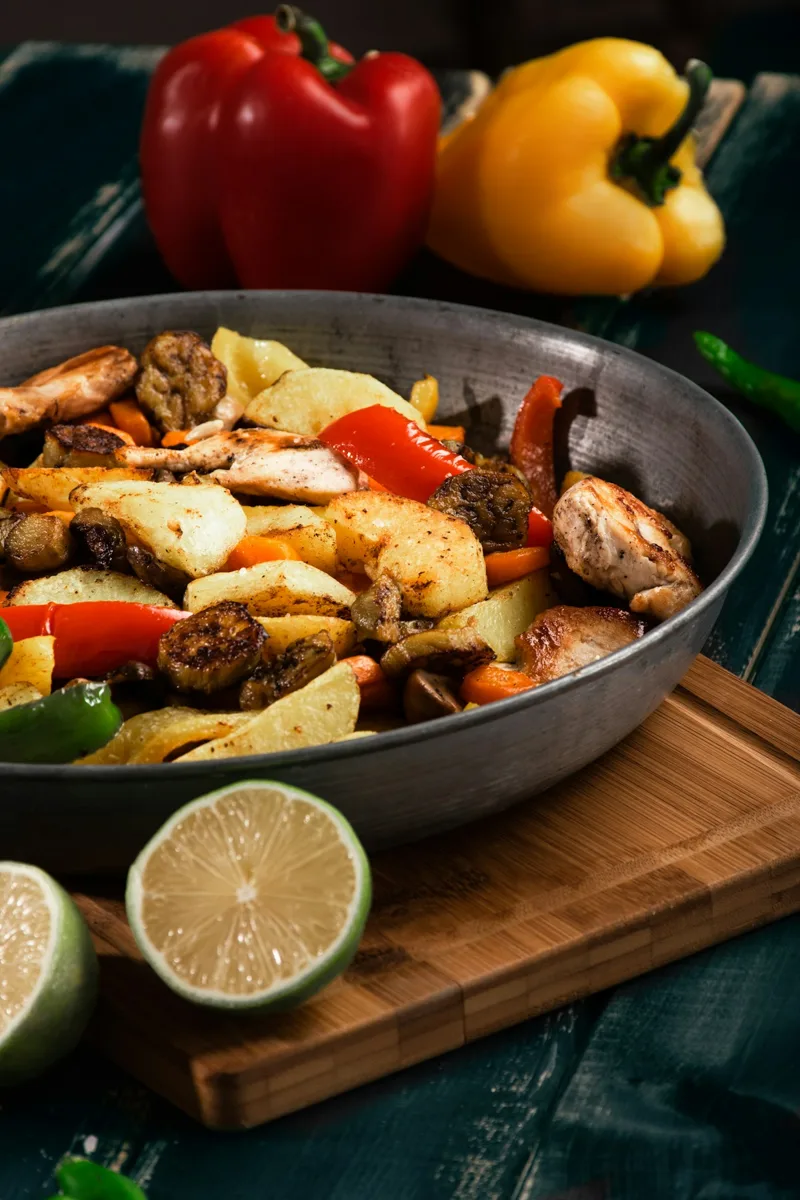
Illustrative photography. Images show editorial inspiration, rather than a product or recipe test.
Read the serving stage with the cooking stage
A meal prepared in a skillet still needs an appropriate destination when cooking is complete. Before starting, read the actual recipe's serving instructions and the cookware guidance. Decide whether the food is transferred, portioned in the kitchen or served through another suitable arrangement.
Do not assume a skillet photographed with food belongs directly on a dining table. The pan, surface, heat and handling requirements need to be established through the actual products and method. This guide concerns planning the destination rather than inventing a universal serving technique.
Choose suitable serving equipment
Select the dishes and utensils the actual food and method require. Keep relevant food-contact, temperature and care information available. A decorative board or plate that looks appealing beneath a pan is not automatically suitable for that use.
Our skillet storage guide follows the equipment through cooking and return. Serving belongs within that same journey. The right pan is only part of the setup if its contents still need another appropriate vessel or utensil.
Prepare the destination before handling
Clear the chosen suitable position and keep necessary access available. Avoid carrying cookware while asking someone else to improvise a landing place. Follow the recipe and product instructions for the actual timing and handling involved.
If another household member helps, give them a specific preparation task rather than a vague request to make room. Naming the serving dish and its position is easier to act on than pointing toward a crowded table while the cooking stage is already ending.
Keep the table arrangement proportionate
Decide which dishes genuinely need to stay on the table. A meal with several accompaniments may work better when some suitable serving tasks happen elsewhere. Avoid filling the center simply because the table looks empty before everyone sits down.
The everyday table guide begins with the meal and the people. Use that check for skillet dishes too. The serving arrangement should make the food accessible without requiring diners to negotiate around equipment that does not belong in their immediate space.
Connect serving with the care route
After the appropriate serving stage, return cookware and utensils through their own care requirements. Keep used equipment distinct from ready storage and avoid treating a cleared dining table as evidence that the kitchen task is complete.
What if the chosen serving dish is unavailable? Select another verified suitable arrangement or adjust the meal before cooking, rather than improvising with an unsuitable object at the last moment. What if the skillet always creates a crowded ending? Review the destination and utensils first. Buying another pan may leave the same unresolved handover waiting at the end of every ordinary dinner in the same small kitchen.
This story belongs to our July 2023 editorial issue. Publication and update dates follow the journal’s monthly editorial calendar. Our guidance is based on editorial research and practical planning, not an undisclosed hands-on product test.