Take Soup to a Friend With a Clear Food Handover
By Love Coma Cakes Editorial · Published July 1, 2026 · Updated July 1, 2026
Agree on timing, suitable transport and accurate information before preparing a helpful food gift.
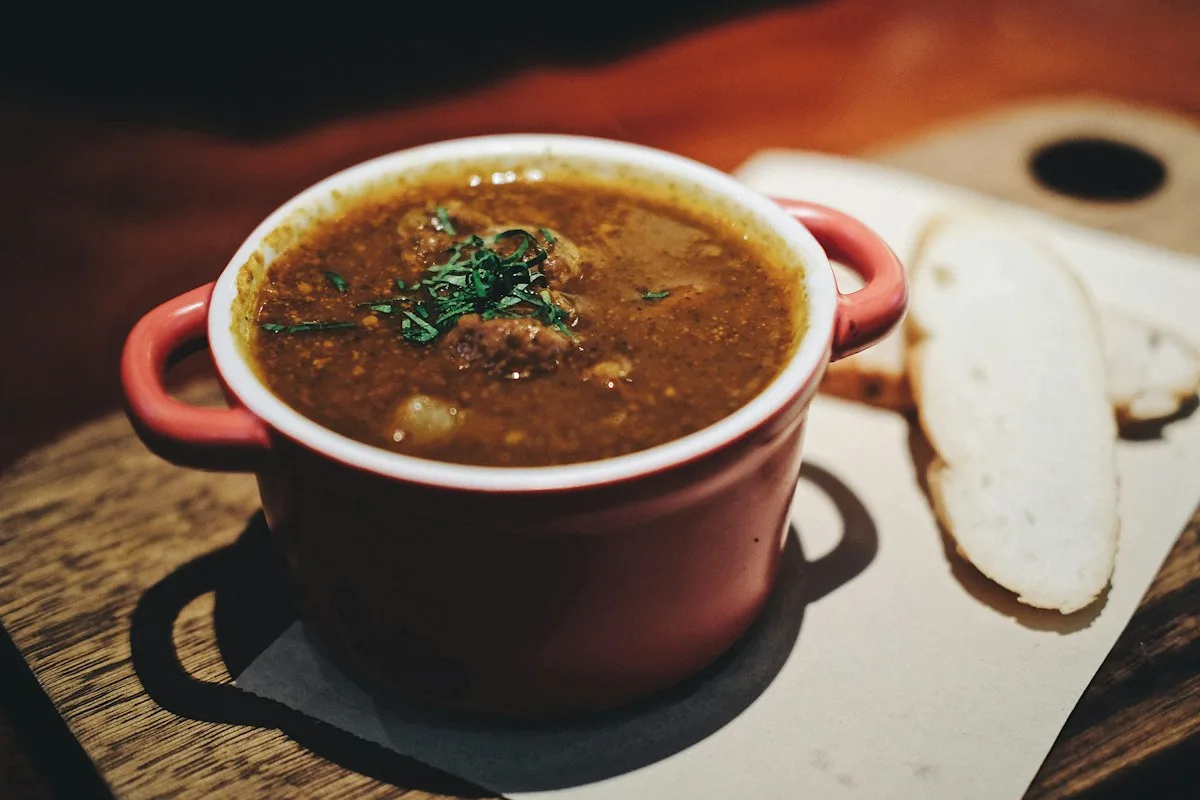
Illustrative photography. Images show editorial inspiration, rather than a product or recipe test.
Ask what would genuinely help
Taking food to a friend can be considerate when the plan fits their needs and schedule. Ask whether soup is useful, what dietary requirements matter and when they can receive it. Do not assume a food gift will be eaten immediately or that the recipient has space for a large container.
Keep the gesture modest and clear. A manageable agreed meal can help more than several unexpected dishes that require storage and decisions. Respect a request for another kind of support or no food at all.
Choose a reliable suitable recipe
Use one complete recipe and keep the actual ingredients identifiable. Retain relevant packaging details for the recipient's needs. Do not make unsupported assurances about dietary suitability or treat a casual substitution as harmless without appropriate information.
Read the full method and the recipe-specific handling guidance before beginning. The plan needs to include preparation, transport, receipt and any later use. Cooking is only one stage of the food handover.
Agree on the receiving conditions
Discuss when the friend or another responsible person can receive the food and what suitable storage is available. Do not rely on leaving it somewhere unattended without a plan that supports the food's requirements.
Use reliable food-handling guidance for the actual ingredients and journey. A helpful intention does not establish that every transport or holding arrangement is appropriate. If the practical conditions cannot be met, choose another gift or another timing.
Choose the correct container
Use a food-contact container suitable for the soup, transport and any intended later use, following the product's instructions. Check the closure and the manageable filled weight. A vessel that holds the recipe quantity may still be awkward for the recipient to lift or store.
Do not assume every container permits heating, freezing or another use merely because it is reusable. Keep product information available where the recipient needs it. If the container is borrowed, agree on a simple return plan without making the friend responsible for an inconvenient errand.
Write the useful information
Identify the food and its actual ingredients, including any garnish or accompaniment. Provide appropriate recipe-specific handling information from a reliable source rather than inventing a general keeping period. Keep the note short enough to read easily.
Separate the personal message from practical information if that makes the handover clearer. A recipient should not have to search through decorative packaging or contact the giver to understand what is inside and what conditions the food requires.
Keep transport part of the plan
Preserve the food's required conditions throughout the journey and use equipment suitable for the task. Keep the container stable and separate from unsuitable contact. Check current carrier requirements directly if a service is involved.
Our container guide helps frame the equipment decision, but it does not replace food-specific handling guidance. Choose the trip and vessel around the actual food rather than assuming a tightly closing lid solves every transport requirement.
Make the handover low effort
Give the food and useful information at the agreed time and let the recipient decide how it fits their plans. Avoid requiring immediate serving, a particular table display or a report about the meal. The gesture should not create another hosting obligation.
Our practical shopping guide can keep preparation manageable. If food is not suitable, the gift guide offers another way to think about a person's routine. Helpfulness begins with their actual needs.
Soup-handover questions
Should I bring one large container? Choose quantities and containers around suitable handling and the recipient's storage and use. Several manageable portions may be more practical if their requirements remain clear.
Can the recipient reheat it in the container? Only if the product and food guidance support that use. Do not assume from appearance.
What if the receiving time changes? Reassess the food-handling plan appropriately. Do not continue an unsuitable handover simply because cooking has already begun.
This story belongs to our July 2026 editorial issue. Publication and update dates follow the journal’s monthly editorial calendar. Our guidance is based on editorial research and practical planning, not an undisclosed hands-on product test.