Give Empty Lunch Bags a Clear Return Place
By Love Coma Cakes Editorial · Published December 1, 2023 · Updated December 1, 2023
Give Empty Lunch Bags a Clear Return Place. A practical guide for an ordinary home kitchen and shared meals.
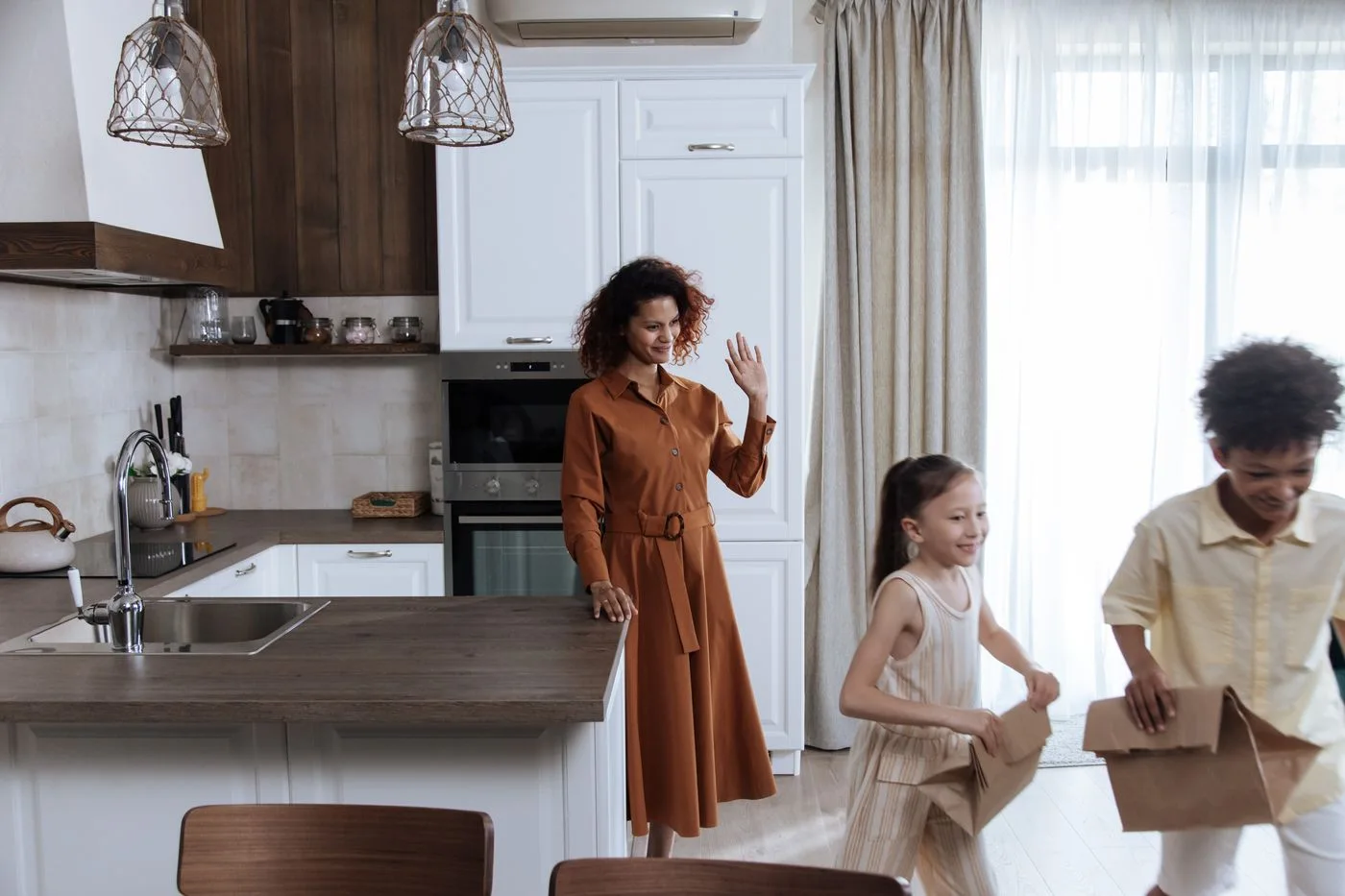
Illustrative photography. Images show editorial inspiration, rather than a product or recipe test.
Name the return stage, not just the storage place
A lunch bag can come home carrying containers, personal items and an unfinished decision about what happens next. Before choosing where the empty bag belongs, define the return stage. The contents need their appropriate destinations and the bag needs attention through its own care instructions before it rejoins the ready group.
This article does not establish food storage or cleaning procedures for every lunch item. Follow authoritative food-handling guidance and the actual products' requirements. A bag that looks empty is not automatically ready to be packed again.
Give the arriving bag a clear handover
Choose a suitable arrival position where the next task will actually happen. Keep the bag's owner and the person completing the return stage clear. An item left beside a door may be intended as a reminder, yet another household member may reasonably interpret it as ready to put away.
Our lunch-box guide begins with the meal and routine. The return stage belongs in that same routine, rather than being treated as an unrelated evening tidying problem.
Keep containers and bags through their own requirements
Separate the items that have different care destinations. Follow the actual container, accessory and bag instructions rather than assuming one method suits the whole group. Keep relevant ingredient or food information available while the contents are appropriately handled.
The kitchen cloth guide gives different cleaning tools distinct jobs. Lunch equipment benefits from a similarly clear distinction between the objects being cared for and the tools used for that care. A generic household habit should not replace product-specific guidance.
Choose a ready position that supports departure
Once the bag is appropriately ready, return it to the agreed place for the next packing session. Keep the intended owner identifiable when several bags look alike. Avoid relying on a small decorative difference that another person may not recognize during a busy morning.
If accessories belong with a particular bag, keep that relationship clear through a suitable arrangement. A ready bag should not require searching another room for a necessary component. Keep any equipment that still needs attention distinct from the ready group.
Notice where the routine repeatedly stops
If bags gather near the entrance, determine whether the care stage, ownership or final storage is unclear. Address that actual obstacle before purchasing another organizer. More compartments can conceal the same unresolved handover if nobody knows which stage the bag has reached.
What if someone prefers to manage their own lunch equipment? Agree the boundary and destination openly. What if the ready place is far from the packing area? Consider a more useful suitable location within the products' requirements. A clear return gives tomorrow's lunch a better starting point without pretending the whole task ends when a zip is opened.
This story belongs to our December 2023 editorial issue. Publication and update dates follow the journal’s monthly editorial calendar. Our guidance is based on editorial research and practical planning, not an undisclosed hands-on product test.