Give Prepared Meal Containers a Clear Menu Order
By Love Coma Cakes Editorial · Published July 1, 2023 · Updated July 1, 2023
Give Prepared Meal Containers a Clear Menu Order. A practical guide for an ordinary home kitchen and shared meals.
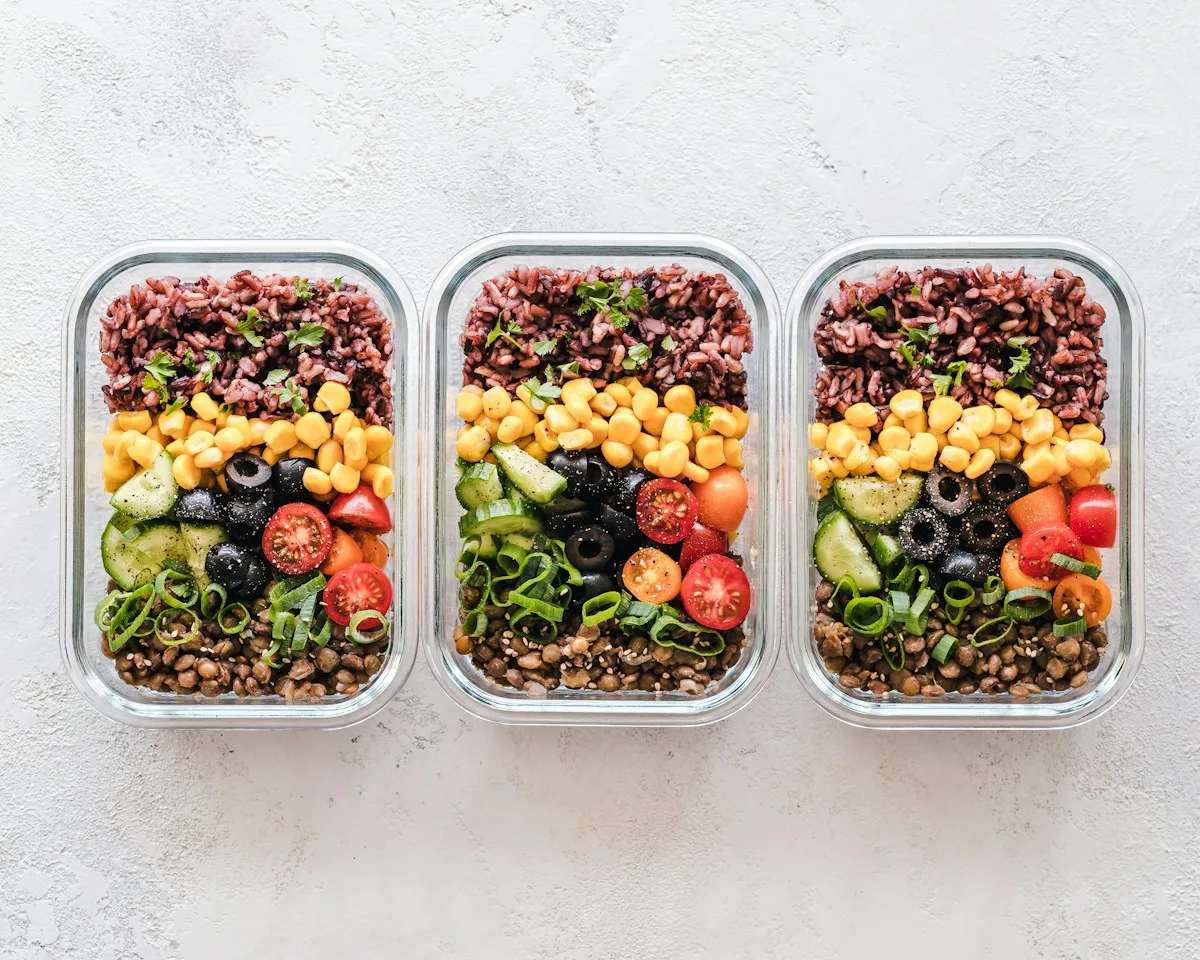
Illustrative photography. Images show editorial inspiration, rather than a product or recipe test.
Connect the container to a named meal
Several prepared food containers can look organized while leaving the household unsure which meal each one serves. Begin with the actual menu and the food's requirements. Give each prepared group a clear intended role, keeping ingredient identity and any personal food requirements understandable.
Follow authoritative food-handling guidance and the product's actual storage and reheating instructions. This article does not establish how long a particular meal can be kept or whether a photographed container is appropriate for a specific food. Menu organization supports those requirements rather than replacing them.
Keep the current plan visible
Use a suitable note or household list to connect a container with the planned meal. Make the wording specific enough that another person can understand it without opening every lid. Distinguish a complete meal from a prepared ingredient intended to join something else.
Our meal-label guide keeps stored food understandable. The menu order adds another question: what is this item intended to become in the current household plan? Keep both answers clear instead of relying on a row of matching containers.
Keep changes attached to the food decision
If the planned day changes, review the actual food's requirements before simply moving the note to another date. A household calendar does not determine safe storage conditions. Use the relevant guidance and make a suitable decision about the real item.
Where several people share the meals, tell them which plan has changed. Quietly moving containers around a shelf can communicate less than expected. A brief explicit update is easier to follow than a private system based on left-to-right order.
Distinguish ingredients that still need preparation
Keep the next necessary stage clear through the recipe and food information. An item that looks ready in a container may still require preparation before serving. Avoid assuming another household member knows which steps were completed earlier.
The leftover lunch plan makes a single intended use explicit. Apply that scale here: a small number of clearly understood meals may serve the household better than a full display whose contents and next steps are uncertain.
Review the plan before preparing more
Check the existing suitable food and current menu before creating another batch. Keep unresolved questions visible through the appropriate household arrangement rather than adding new containers around them. More prepared food is not automatically more useful if the intended meals remain unclear.
What if the labels are correct but the plan is ignored? Ask whether the meals match the actual week. What if the household dislikes a rigid order? Keep the roles clear while allowing appropriate choices within the food's requirements. The useful result is understandable food and realistic decisions, not a refrigerator that merely resembles a meal-preparation photograph.
This story belongs to our July 2023 editorial issue. Publication and update dates follow the journal’s monthly editorial calendar. Our guidance is based on editorial research and practical planning, not an undisclosed hands-on product test.