Measure the Full Working Footprint of a Pastry Mat
By Love Coma Cakes Editorial · Published March 12, 2024 · Updated March 12, 2024
A pastry mat can fit the counter while the rolling pin, ingredient bowls and ordinary handling need room beyond its edges. Plan the complete working.
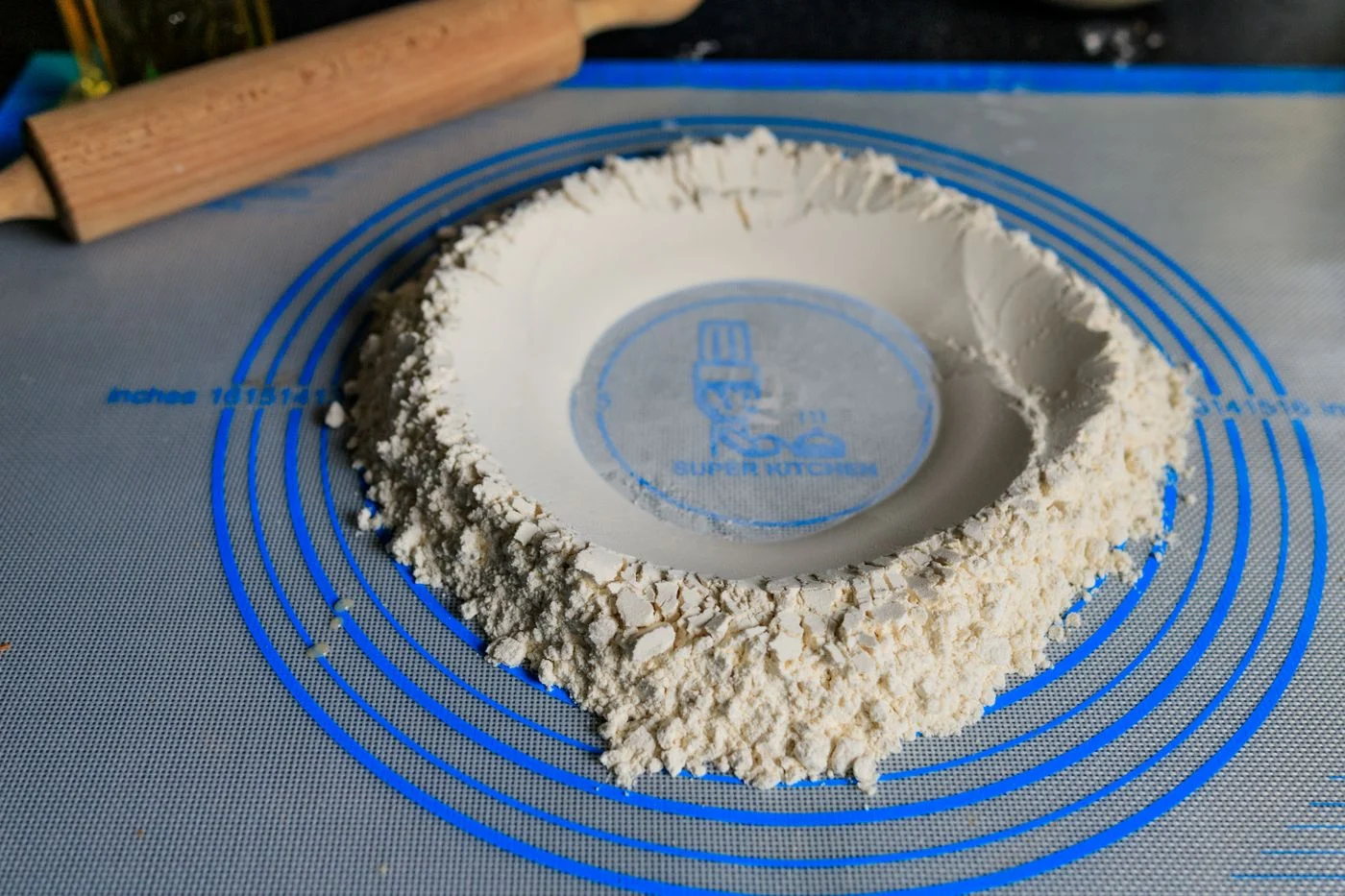
Illustrative photography. Images show editorial inspiration, rather than a product or recipe test.
Measure the space around the mat
A pastry mat can fit the counter while the rolling pin, ingredient bowls and ordinary handling need room beyond its edges. Plan the complete working footprint before buying by the mat's dimensions alone. The recipe task determines what else must be present.
Read the mat's actual intended use and material requirements. A marked surface is not automatically suitable for every food, temperature or technique. Follow appropriate recipe and equipment guidance rather than interpreting a product photograph as instructions.
Include the actual surface beneath it
Check compatibility with the counter or board and follow relevant product information. A thin appearance does not establish suitable support or surface protection. Resolve unclear material requirements before placing the mat into the working arrangement.
Keep appliance requirements and necessary kitchen access available. A convenient preparation edge may become unsuitable when a cupboard opens or another person uses the sink. Compare the occupied kitchen, not an empty showroom counter.
Keep recipe markings in context
If the mat includes measuring guides, identify what they actually indicate through reliable product information. They do not replace the recipe's other quantities or methods. Avoid assuming that an illustrated circle means every dough should be rolled to that shape.
Our bread workspace guide supports a separate dough task. The scales guide considers another measurement tool. Each piece should serve the real instructions rather than make the equipment collection more elaborate.
Check the care stage
Read actual cleaning, drying and storage requirements. Consider whether the household has an appropriate place for any unfinished stage. Do not roll or close equipment away prematurely simply to clear the counter after baking.
Keep the mat distinct from ready textiles or other equipment where their conditions differ. A cupboard label should describe what is suitable to retrieve now rather than conceal an incomplete care stage beneath a neat folded appearance.
Measure the permitted stored form
Check the actual form allowed by the product guidance and include any case or support genuinely required. A broad mat may be compact when appropriately stored, but the opening and retrieval route still matter. Do not force it into a container because the dimensions nearly fit.
Our storage guide supports a practical return position. Keep the buying brief specific: actual task, complete working area, compatible surface and manageable care. The best household choice may be a suitable retained setup rather than another specialised mat.
Pastry mat questions
Does fitting the counter prove useful workspace? Include the rolling pin, bowls and actual handling space too.
Can printed guides replace recipe instructions? No. Use them only within the actual product and recipe requirements.
What if storage is awkward? Review the permitted stored form and real cupboard opening before buying another box.
This story belongs to our March 2024 editorial issue. Publication and update dates follow the journal’s monthly editorial calendar. Our guidance is based on editorial research and practical planning, not an undisclosed hands-on product test.