Pack the Picnic Serving Kit for the Journey Home Too
By Love Coma Cakes Editorial · Published September 1, 2026 · Updated September 1, 2026
Choose suitable dishes and utensils with a separate return position for used equipment.
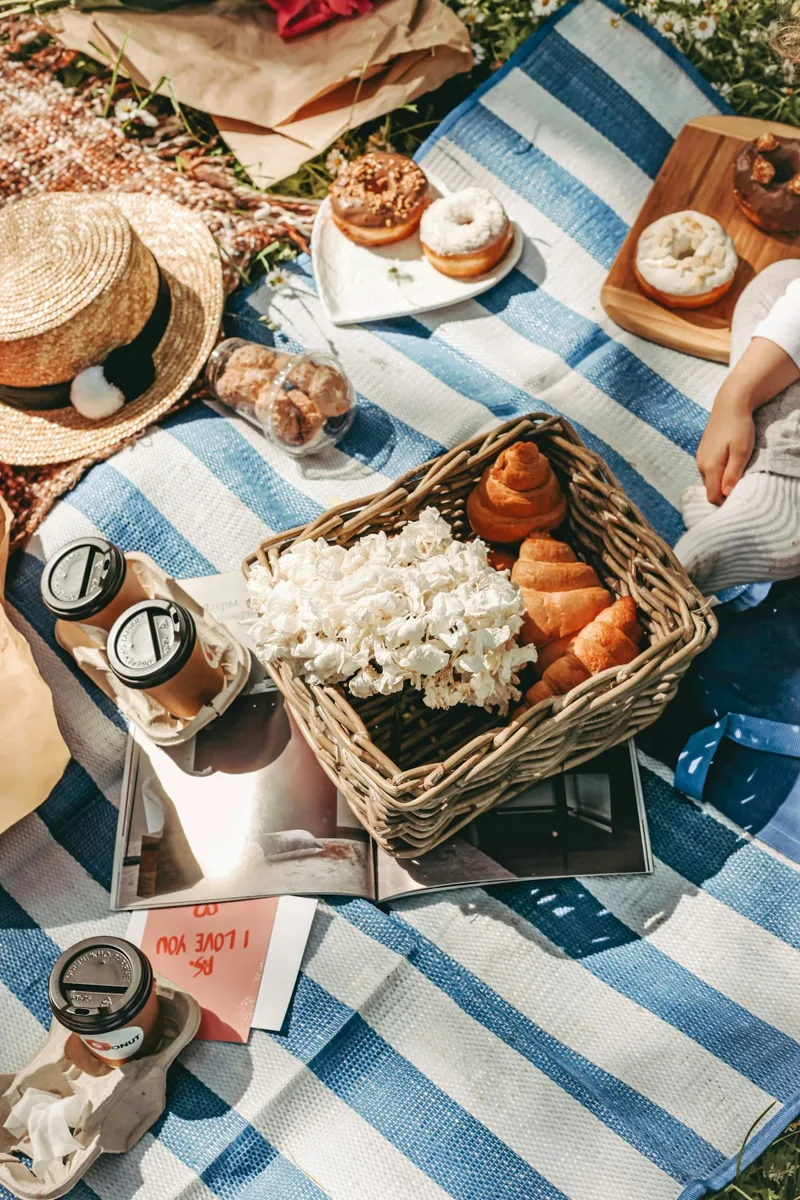
Illustrative photography. Images show editorial inspiration, rather than a product or recipe test.
List the actual serving jobs
Write down how the picnic food will be served: a suitable utensil for each shared dish, plates or containers for the people attending, and any relevant ingredient information. Keep the kit connected to the menu and the location's current facilities and rules.
Choose suitable food-contact products and follow their use and care instructions. A small clear kit can work better than carrying every piece of outdoor tableware. The useful count comes from the actual meal and people, not a matching set's package size.
Give clean equipment a protected position
Choose a suitable container or bag that keeps the ready supplies identifiable during the journey. Check the loaded weight and the way it will be opened at the destination. Keep food handled under its own requirements rather than assuming one picnic basket suits every item.
Place the first serving tools where the responsible adult can find them without emptying the whole bag. If several people carry equipment, agree who handles which complete job. A quick clear handover prevents each person assuming another packed the essential utensil.
Prepare the used-equipment return
Bring an appropriate separate position for used dishes and utensils, following product and food-handling requirements. Keep used pieces distinct from clean supplies and personal belongings. A suitable closable container may help if it supports the actual items and can be cared for afterward.
Plan the journey back before serving begins. The return arrangement should not depend on wrapping every used object in whatever packaging remains. Check the venue's current waste requirements and carry out what the plan requires.
Keep the meal setup modest
Use a suitable stable serving position and preserve comfortable seating and movement. Keep utensils associated with their dishes when separation matters. Handle remaining food according to reliable guidance for its actual ingredients and conditions.
Our bake-transport guide helps when a homemade bake joins the menu. The serving kit still needs its own clean and used stages. Presentation is useful when it makes the meal easier to serve and clear.
Finish the return at home
Empty used equipment into its defined cleaning position and follow each product's care instructions. Let pieces dry appropriately before storage. Clean the return container or bag as directed and put the ready kit back in its home.
Our kitchen-cloth guide supports part of the cleanup routine. Note what was actually used and remove unnecessary extras before the next outing. A smaller completed kit is easier to check than several bags of uncertain equipment.
Serving-kit questions
Does everything need to be reusable? Choose suitable products around the actual meal, care routine and venue requirements. Reusability alone does not establish suitability.
Can clean and used pieces share a bag? Keep their stages clearly separate under the relevant handling needs.
What if the return kit smells or leaks? Assess the cause and follow appropriate care guidance. Do not simply close it and put it away for the next picnic.
This story belongs to our September 2026 editorial issue. Publication and update dates follow the journal’s monthly editorial calendar. Our guidance is based on editorial research and practical planning, not an undisclosed hands-on product test.