Read a Shared Bake’s Method Before Dividing the Jobs
By Love Coma Cakes Editorial · Published January 12, 2022 · Updated January 12, 2022
Read a shared bake’s full method before dividing the jobs, identifying the steps that depend on one another and the equipment that must be handed over ready.
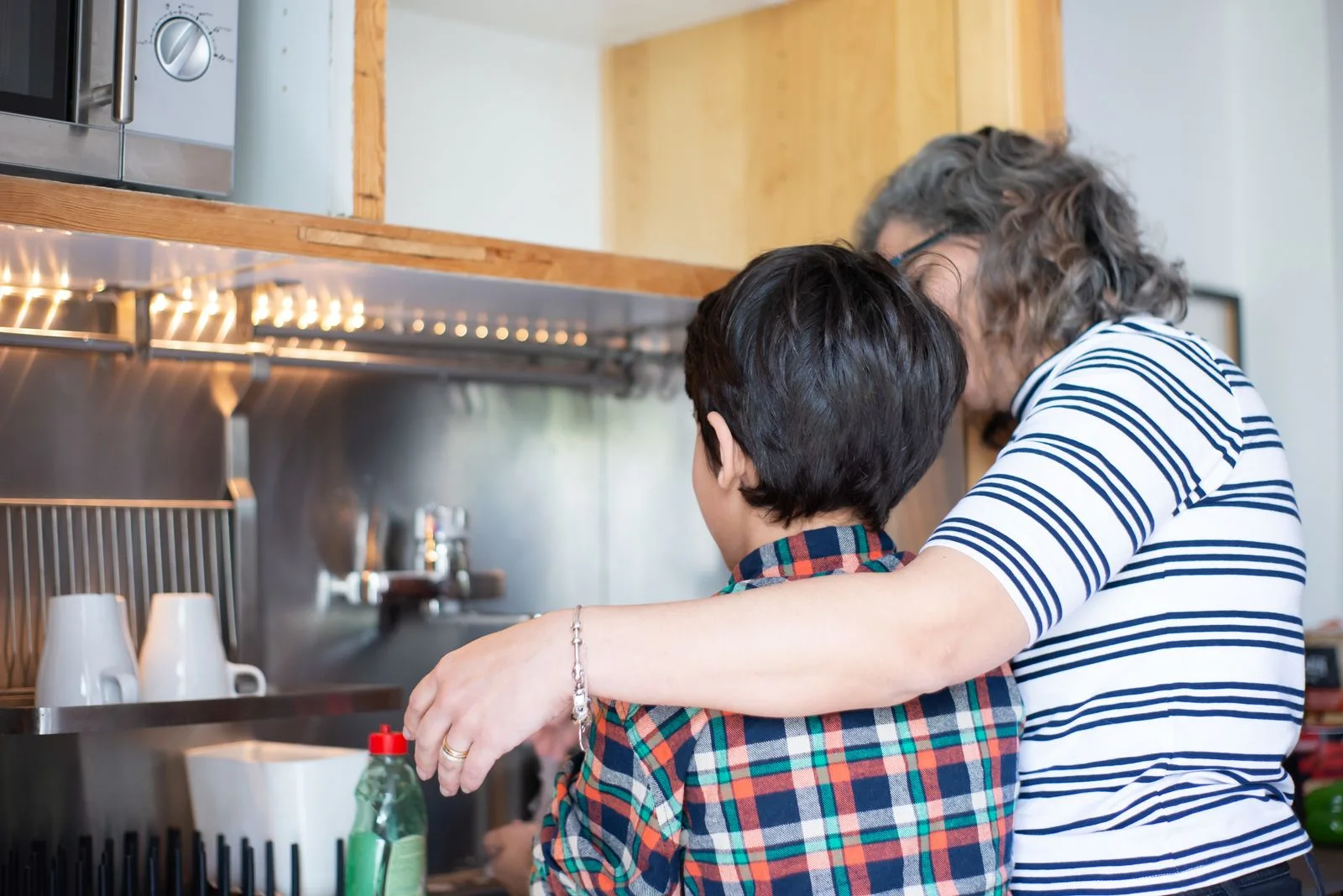
Illustrative photography. Images show editorial inspiration, rather than a product or recipe test.
A shared baking session can begin with enthusiasm and still leave one person waiting for a bowl that another has just filled. Read the method together before dividing the jobs. The useful question is not only who wants to help, but which action must happen before the next one can begin.
Read beyond the first mixing step
Look through the complete recipe, including equipment, yield, pan preparation and later cooling or finishing stages. Identify anything that must be ready before ingredients are combined. A final instruction can reveal a space or tool needed earlier in the plan.
Keep the chosen recipe version clear. If several similar versions are open on phones or paper, agree which one the group is following before assigning quantities. A shared task becomes confusing when each person is reading a slightly different method.
Find the dependencies
Name the steps that cannot happen at the same time. One ingredient may need preparation before measuring, or a bowl may be reused only after suitable care. Keep those relationships in the task plan rather than assigning every person an isolated list.
Choose helping roles appropriate to the people involved, especially when children take part. An adult should manage tasks requiring that responsibility and provide suitable supervision. Do not assume that wanting to help makes every tool or stage appropriate for every participant.
Divide genuine parallel tasks
Choose separate actions that can happen without competing for the same equipment or working patch. Reading the next instruction, preparing a suitable ingredient or setting out the correct equipment may each be useful at the relevant moment. Avoid inventing unnecessary work simply to keep every pair of hands occupied.
Make the expected finish explicit. A prepared ingredient should reach its intended suitable destination, and a tool should be handed over in the condition the next task requires. A bowl moved silently beside the sink does not communicate whether it is ready or still waiting for attention.
Agree how the session closes
Include the later stages and clearing tasks in the shared plan. The person who begins the mixture may not be available when the recipe reaches another essential step, so resolve that responsibility before starting. Follow the method and relevant equipment guidance throughout.
At the end, return ingredients and tools to their appropriate places and identify any unfinished task honestly. A bake waiting for its specified cooling stage is not necessarily ready for the next decorative idea.
Afterwards, discuss the one handover that caused difficulty rather than judging the session as a whole. Change that action or sequence next time. A clear read-through allows the bake to remain a shared activity while preserving the recipe's actual order and the household's realistic working space.
Related reading
Share a Family Baking Session Through Clear Handovers, Read a Recipe Yield Together Before Choosing the Batch.
This story belongs to our January 2022 editorial issue. Publication and update dates follow the journal’s monthly editorial calendar. Our guidance is based on editorial research and practical planning, not an undisclosed hands-on product test.