Choose a Small Sofa-Side Snack Group Before Setting It Out
By Love Coma Cakes Editorial · Published January 12, 2023 · Updated January 12, 2023
Choose a small sofa-side snack group before setting it out, keeping suitable food, usable table space and the return of dishes clearer than an elaborate living-room spread.
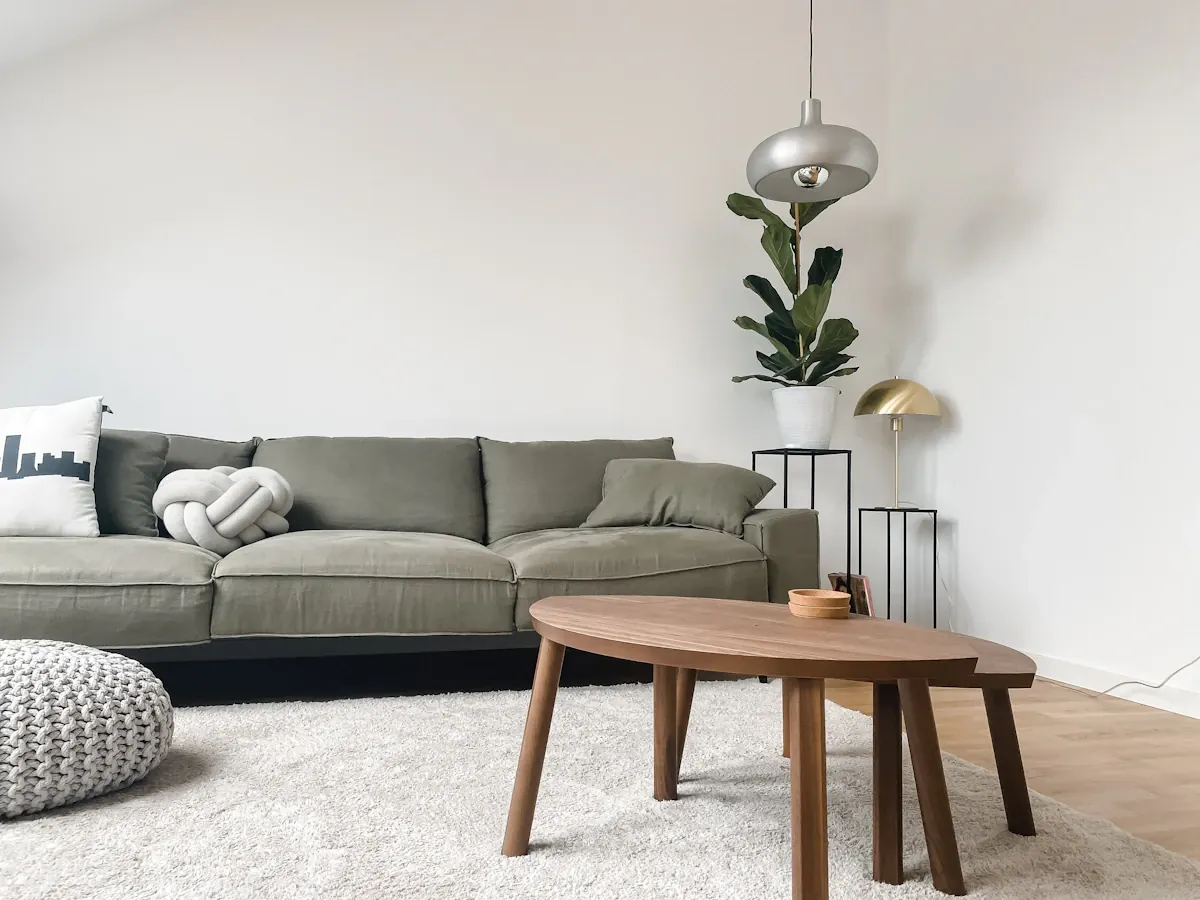
Illustrative photography. Images show editorial inspiration, rather than a product or recipe test.
Name the occasion and the food
A snack beside the sofa can be a simple pause, not a second dining event. Begin with the real occasion and the food you actually want. Watching a film alone, reading with a friend and sharing a family afternoon need different quantities and arrangements.
Choose food through its actual preparation, ingredient and handling requirements. A low table does not change those needs. If a dish requires an eating arrangement the sofa area cannot sensibly provide, use the dining table instead rather than forcing it into an attractive scene.
Check the retained surface
Look at the table as it is normally used. Remotes, books and current personal items may already occupy part of it. Give those objects a suitable temporary destination before adding plates, without transferring them into an unstable pile on the floor.
Set out empty suitable serving pieces as a dry comparison. Include the space people need to reach the table and place their own items. A large tray may fit on the surface while leaving no useful area around it. Keep circulation and the table's intended use in the decision.
Choose a bounded serving group
Start with the food's necessary plate or container and the utensils genuinely required. Several decorative bowls can make a modest snack look more elaborate while increasing the return task. If one suitable retained piece does the job, let it remain enough.
Keep personal drinking vessels identifiable where several people share the space. Do not crowd everything into the centre just to reproduce a photograph. The arrangement should reflect how people actually sit and reach, not a display viewed only from above.
Plan the return before starting
Give used dishes their appropriate care destination and keep them separate from books, electronics and ready household objects. A tray may help with a suitable group, but use its actual carrying limits and do not balance a mixed pile for a single trip.
Choose who clears the group when the pause ends. A small task can remain unfinished surprisingly easily when the table also serves everyday living. A clear end point prevents used equipment becoming part of the room's background.
If the arrangement felt crowded, note the item that caused it. Perhaps the serving bowl was larger than needed, or an extra decorative object blocked the useful corner. Adjust that one part next time. A sofa-side snack group should be modest enough to set out and return without reorganising the whole room. The successful version supports the food and the people present while letting the living area resume its ordinary role afterwards.
A dry trial can reveal whether a shared plate and two personal cups already occupy the useful surface. If they do, remove the decorative bowl before adding food. The fact that a second bowl matches the room does not give it a necessary job in the snack group.
Related reading
A Simple Table for Everyday Guests, The Ten-Minute Kitchen Reset.
This story belongs to our January 2023 editorial issue. Publication and update dates follow the journal’s monthly editorial calendar. Our guidance is based on editorial research and practical planning, not an undisclosed hands-on product test.