Choose Which Teaware Belongs in a Small Display Group
By Love Coma Cakes Editorial · Published July 12, 2022 · Updated July 12, 2022
Choose a small teaware display from pieces you already own, keeping decorative grouping separate from the clean usable equipment needed for an actual tea service.
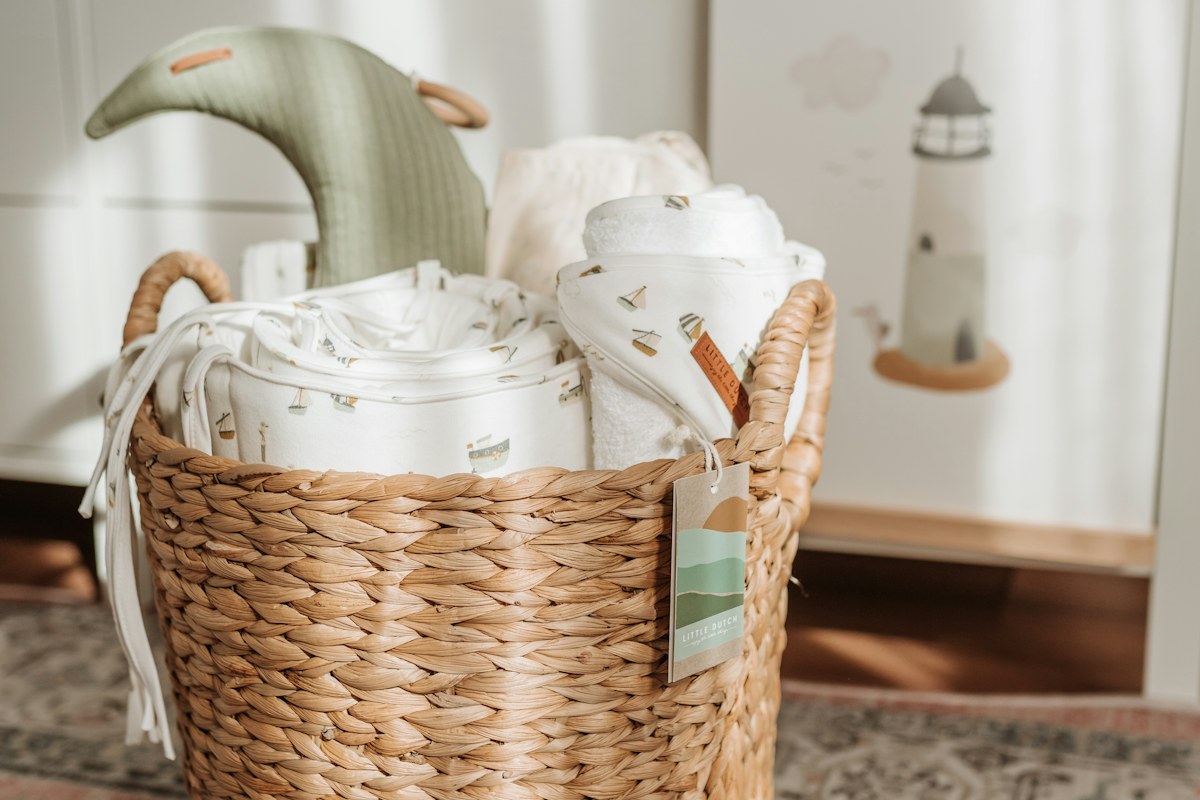
Illustrative photography. Images show editorial inspiration, rather than a product or recipe test.
Decide whether this is display or service
A basket of cups and a teapot can look inviting, but a display group and a ready tea service have different jobs. Start by naming the one you want. Decorative storage may show a few favourite pieces; an active service needs suitable, clean equipment that can be retrieved and used without a complicated rearrangement.
Do not assume that every basket or shelf is appropriate for food-contact equipment. Check the actual materials, storage conditions and care requirements. The visual comparison can happen without pouring drinks, placing food against a decorative liner or treating an unfamiliar container as a serving tray.
Select a clear small group
Choose the teaware you most enjoy seeing together. A teapot, a few cups and one related shape may communicate the group more clearly than every piece in a collection. Compare height, colour and surface pattern before adding unrelated ornaments.
Use the retained room as the background. A busy wall or open shelf may call for a quieter group, while a plain surface lets a patterned cup remain visible. The pieces do not need identical decoration if one repeated tone or material gives them a clear relationship.
Keep retrieval possible
Try removing the piece you would reach for first. If it requires lifting several others, the arrangement is more decorative than practical. That may be acceptable for a display, but keep the equipment you actually use in a separate suitable ready place.
Avoid balancing fragile items on unstable stacks to achieve an attractive outline. Follow the actual pieces' storage needs and use a suitable support. The display should not depend on a photograph angle that hides an awkward contact point or an item leaning against another.
Check the ordinary view
Stand where you normally see the group. Small patterns may disappear, leaving the larger shapes and colours as the main impression. If one tall object hides the cups entirely, reduce the group before buying another decorative element to fill the opposite side.
Photograph the simplest version you like, then leave it alone for a while. A collection can become crowded through repeated small additions that each seem harmless. Return to the saved view if you lose track of the original balance.
When tea is actually served, use the appropriate equipment and food-handling routine rather than assuming the display is immediately ready. Afterwards, complete the required care before returning pieces. A modest teaware group can celebrate objects you already own while keeping its decorative role honest. The display does not need to imitate a fully prepared hospitality scene every day to feel welcoming in the room.
A practical edit is to choose one tall shape and a low cup group, then remove an extra pitcher. Compare the before-and-after view from the doorway. If the lower cups become visible and the group still reads as teaware, the removed piece did not need to remain merely to fill the basket.
Related reading
An Easy Afternoon Tea for Four, Small-Kitchen Storage That Earns Its Space.
This story belongs to our July 2022 editorial issue. Publication and update dates follow the journal’s monthly editorial calendar. Our guidance is based on editorial research and practical planning, not an undisclosed hands-on product test.