Let the Tea Cup Help Define a Small Dessert Break
By Love Coma Cakes Editorial · Published March 1, 2023 · Updated March 1, 2023
Let the retained tea cup help define a small dessert break, choosing a modest food role and clear setting without turning an ordinary pause into a full afternoon-tea event.
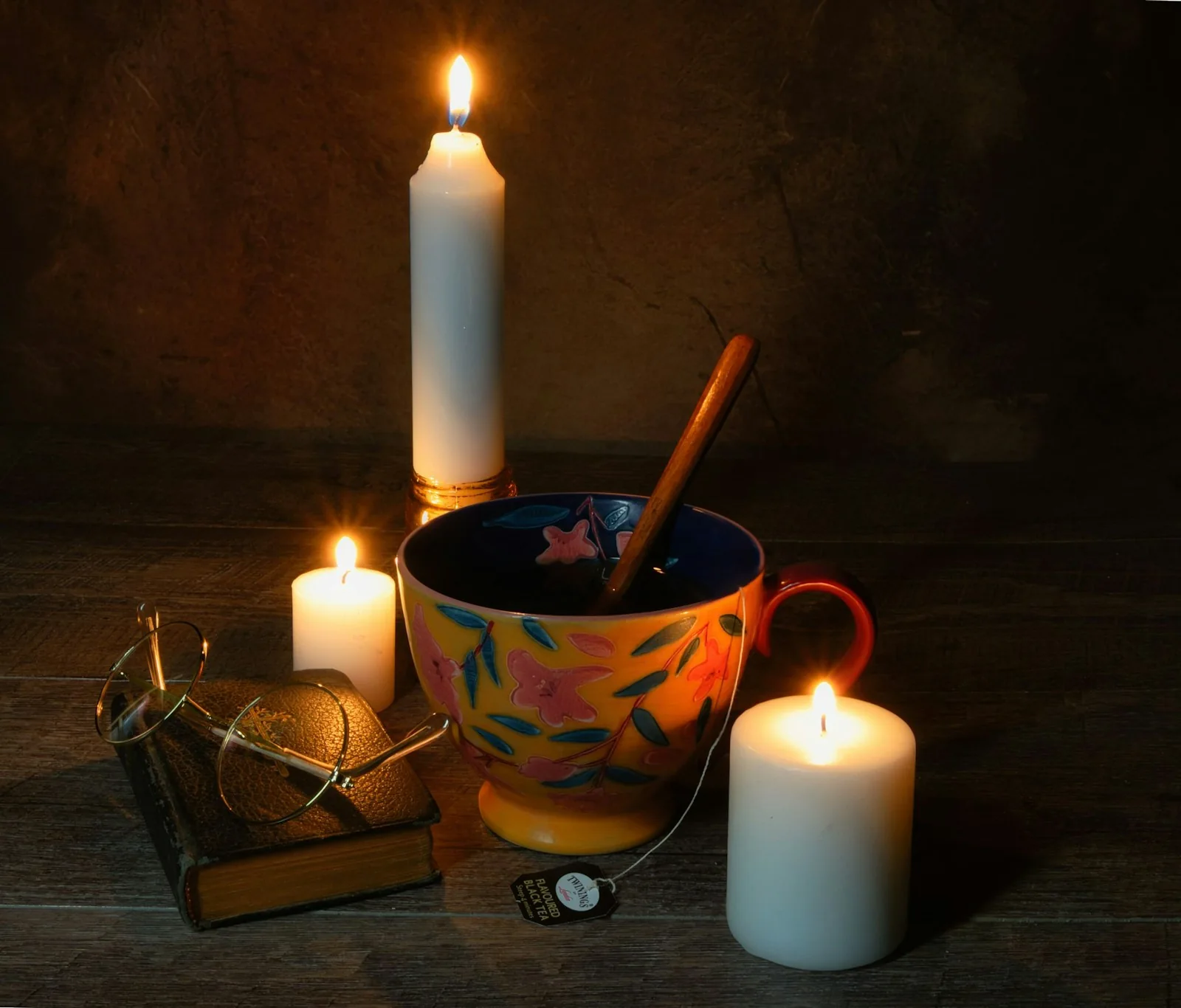
Illustrative photography. Images show editorial inspiration, rather than a product or recipe test.
Decide what kind of break this is
A cup of tea and a small dessert can be an ordinary pause rather than a planned afternoon-tea spread. Begin with the people present and the reason for sitting down. A short conversation after lunch needs a different amount of food and equipment from a larger gathering.
Choose the drink and dessert through their actual ingredients, preparation and serving requirements. The cup can suggest the scale of the setting, but it does not determine a safe portion, a dietary claim or a recipe's suitability. Keep those questions grounded in reliable information.
Use the retained cup as a reference
Look at the cup, its suitable saucer if needed and the plate you intend to use. Their relative sizes affect how full the place setting appears. A large dessert plate may make a modest sweet look isolated, while an overly small one may be unsuitable for the food.
Compare actual retained pieces before buying another matching item. A cup and plate do not need the same pattern to feel connected. One shared tone, a quiet neutral or a clear contrast may give the small group enough coherence.
Choose one food role
Decide whether the food is the main dessert, a small accompaniment to the drink or a selection offered for sharing. This helps you avoid adding several similar sweets because the table still has empty space. Confirm guest questions directly and keep relevant ingredient information available.
Use a reliable recipe or clearly identified purchased item rather than inventing a dessert method to fit the photograph. If the food requires a particular serving condition, plan that through its actual guidance. A leisurely setting does not remove preparation or handling requirements.
Keep the setting modest
Set out the equipment genuinely needed for eating and drinking. A small spoon, plate or suitable serving piece should have a clear task. Leave out decorative additions that crowd the cup or require dismantling before the food can be enjoyed.
If candles or other decorative objects are part of the room, follow their own placement and safety requirements. They do not have to sit beside the cup to make the break feel considered. A clear usable surface can be the more comfortable choice.
When the pause ends, return the small group through its appropriate care route. Keep a note only if a particular plate or arrangement proved useful for future occasions. The cup's role is to anchor a manageable setting with food you actually want, not to trigger a new collection of matching accessories. A simple break can remain complete without becoming a miniature version of a larger hospitality event.
Compare the cup and dessert plate first, then add only the eating utensil the chosen food needs. If a serving stand has no clear purpose for this small break, keep it stored. A familiar cup with a modest retained plate can define the occasion without a new decorative layer.
Related reading
An Easy Afternoon Tea for Four, A Seasonal Fruit Dessert Table.
This story belongs to our March 2023 editorial issue. Publication and update dates follow the journal’s monthly editorial calendar. Our guidance is based on editorial research and practical planning, not an undisclosed hands-on product test.